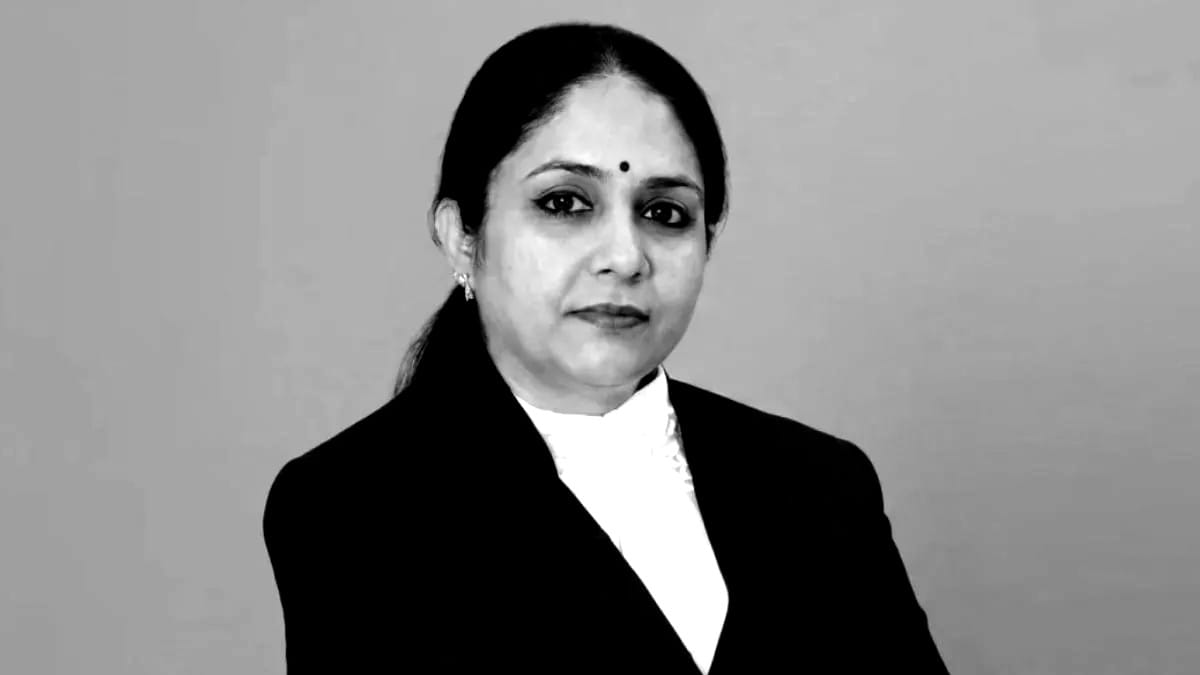
Remarks by Solicitor General
After the order was read out, Solicitor General Tushar Mehta requested the judge to continue hearing the excise policy case, warning that if she stepped away, it would establish an undesirable precedent for getting rid of an inconvenient judge. He described that the respondents had a habit of making wild allegations on public platforms without taking any responsibility for them and noted that instead of seeking a legitimate legal remedy in the Supreme Court, which they avoided because they knew they would lose, they took the dispute to social media to play a “victim card.”
He argued that the campaign was a message intended for every judge in the country: “if you do not toe our line, we will stigmatize you... we will castigate you... in public platforms.” In fifty years of Indian democracy, no politician had ever “stooped this low” to tarnish the entire institution with a false narrative, he contended.
Additional Solicitor General S.V. Raju also urged the judge to continue hearing the excise policy case.
However, Justice Swarana Kanta Sharma declined the request, stating that while hearing the matter she was conscious of the nature of the litigants and the prior proceedings in the case. She observed that allowing herself to continue hearing the matter could give rise to future allegations of bias or victimhood.
“Tomorrow he will say that he is a victim because the person who is drawing the contempt is against him and is hearing the case during the same time,” she added, underscoring her decision.
However, she maintained her earlier order rejecting the recusal, observing that allowing such a plea would set a problematic precedent. “I refused the recusal because you cannot choose your own judge,” she said, emphasising that litigants cannot be permitted to select the bench of their preference.
While concluding the order, Justice Sharma had noted that while individual “judges may come and go,” the institution of justice will be remembered by the orders and actions of those who did not permit the rule of law to “kneel before intimidation and fear” of manufactured public narratives,” adding that, “justice in Bharat has and shall remain fearless.”