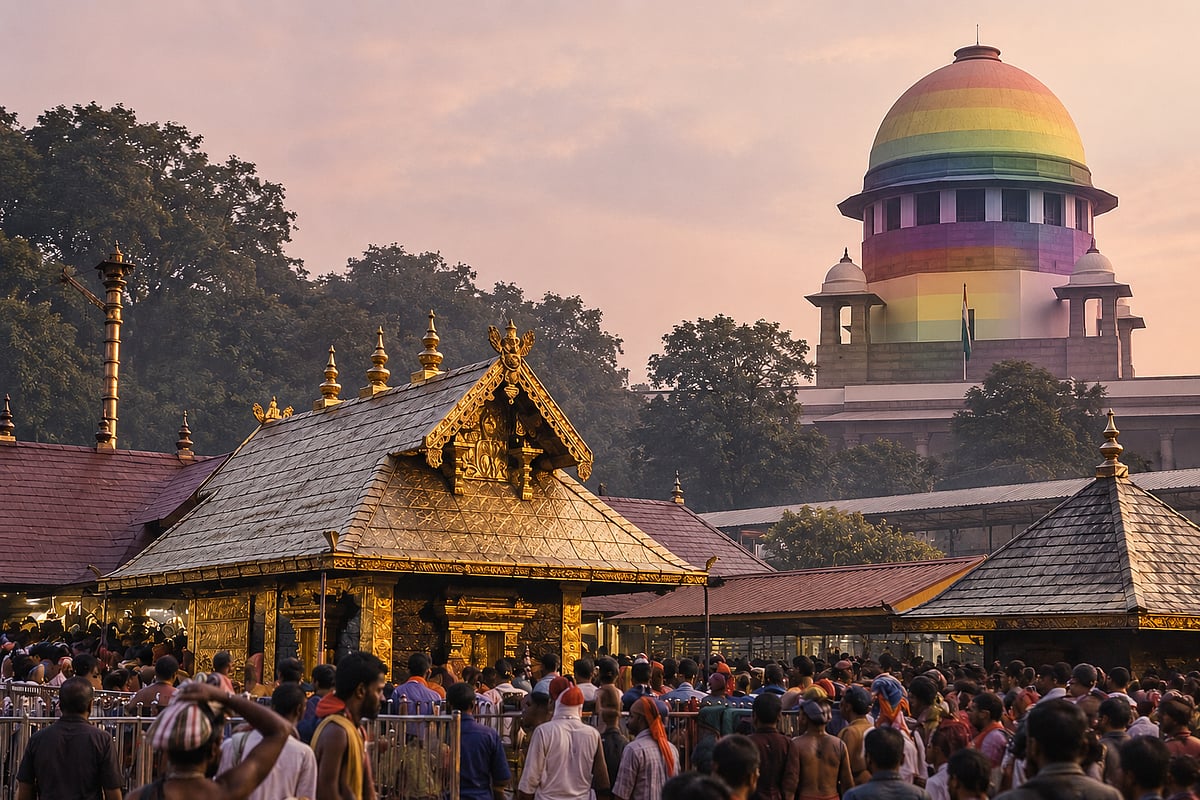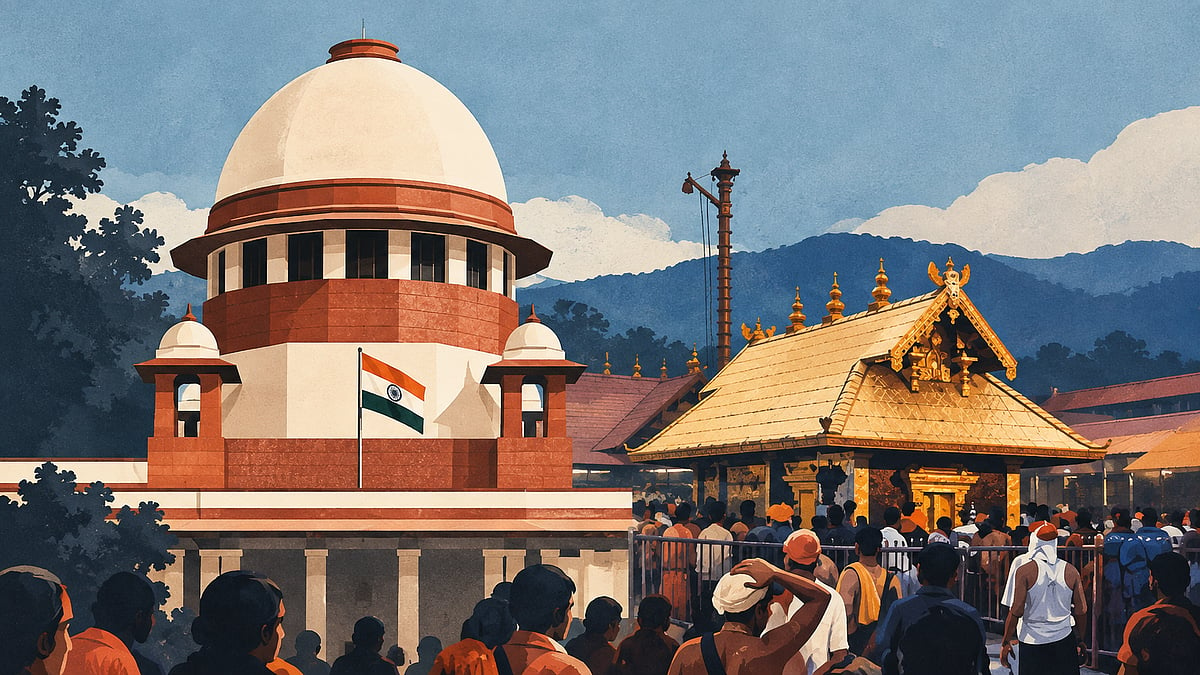
As France reacted with outrage to a demand that women be kept away from BAPS sadhus in Paris, India’s own nine-judge Sabarimala bench has yet to rule on whether religious orthodoxy can override constitutional guarantees of sex equality.
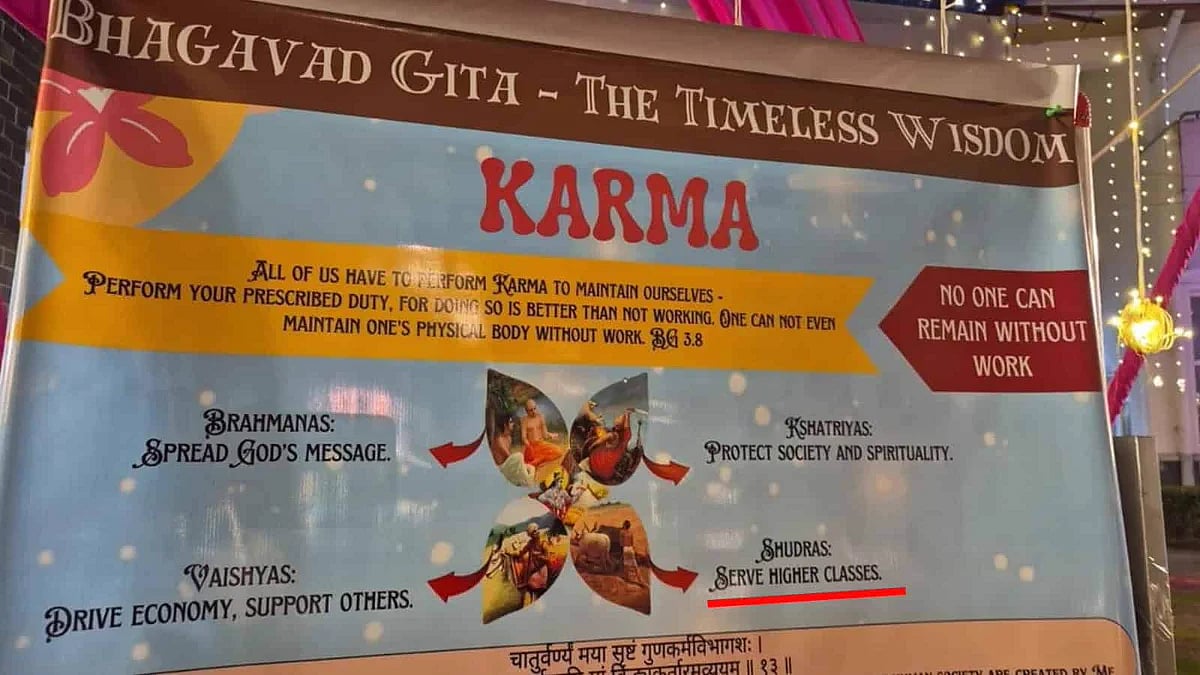
A Janmashtami display describing the Shudra’s role as “serving higher classes” has reignited the fight over the Supreme Court’s stay on UGC’s 2026 equity regulations.
As the Supreme Court’s Sabarimala Reference judgment remains reserved, the Solicitor General’s argument that constitutional morality is merely a “sentiment” threatens to unravel what grounded queer and transgender rights in Navtej Singh Johar, decided eight years ago today.
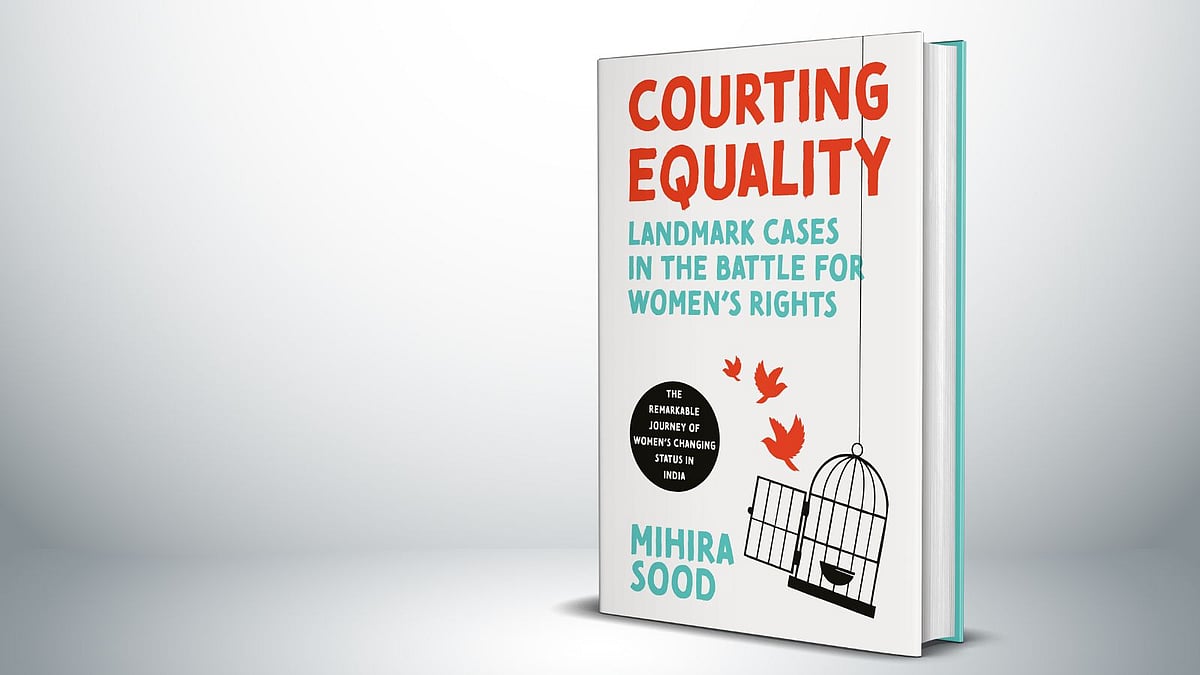
In this extract from her book Courting Equality: Landmark Cases in the Battle for Women’s Rights, Mihira Sood traces the legal history of the Sabarimala exclusion as she argues that the ban on menstruating women is not a nuanced religious requirement but a form of untouchability the Constitution’s framers deliberately left room to address.
From President K.R. Narayanan being labelled an “untouchable” in Paris in 2000 to Mallikarjun Kharge facing humiliation because of “purification” of the venue of his rally in 2026, the silence on caste humiliation exposes how far India remains from honouring Article 17 and the social revolution the Constitution promised.
In Abeda Salim Tadvi v. Union of India, the CJI-led Bench appointed nodal counsel to consolidate issues and parties to share documents through a common portal, while a fraught exchange over the locus of two mothers who lost their children saw the Bench shut down the debate for the day.
The conflation of affirmative action and anti-atrocity law subjects persons of Dalit lineage exercising religious-freedom to a constitutional paradox and denies them the fundamental promise of social dignity
As India marks its 80th Independence Day, a disabled academic reflects on how constitutional silence, judicial charity, and political apathy has kept disabled and transgender lives outside the promise of Swaraj.