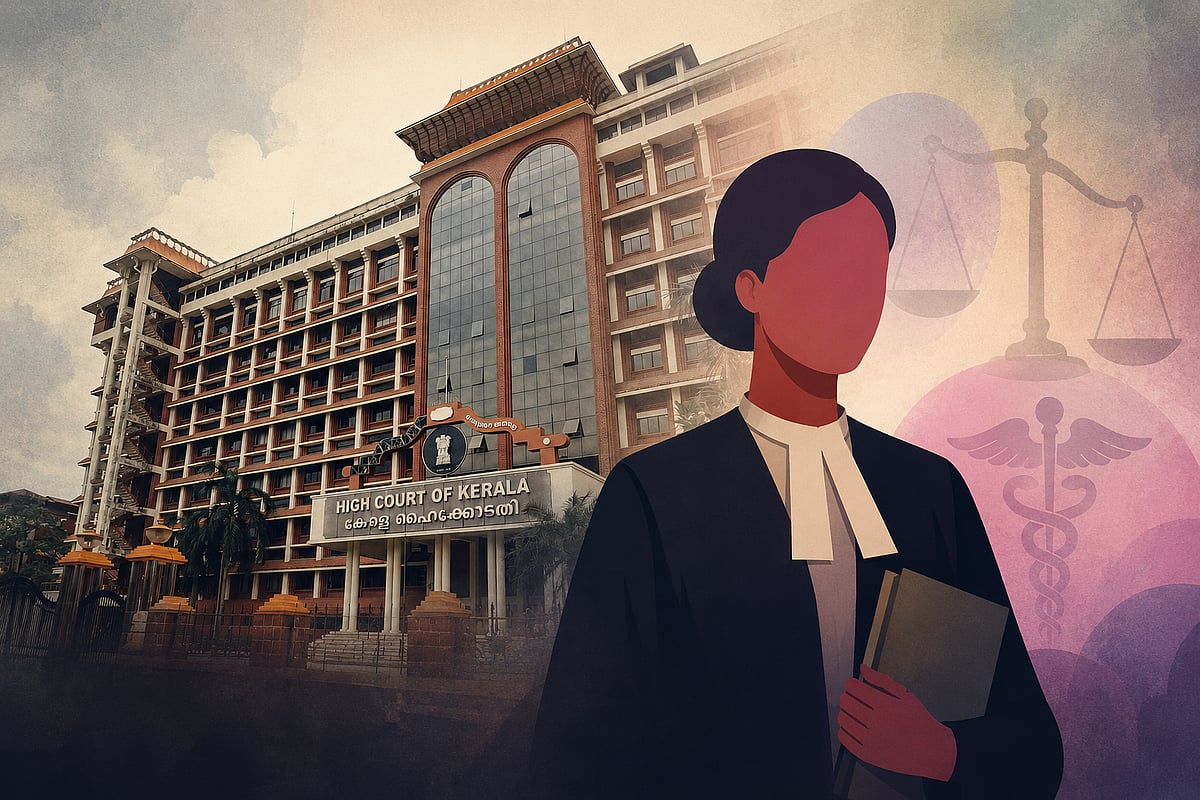
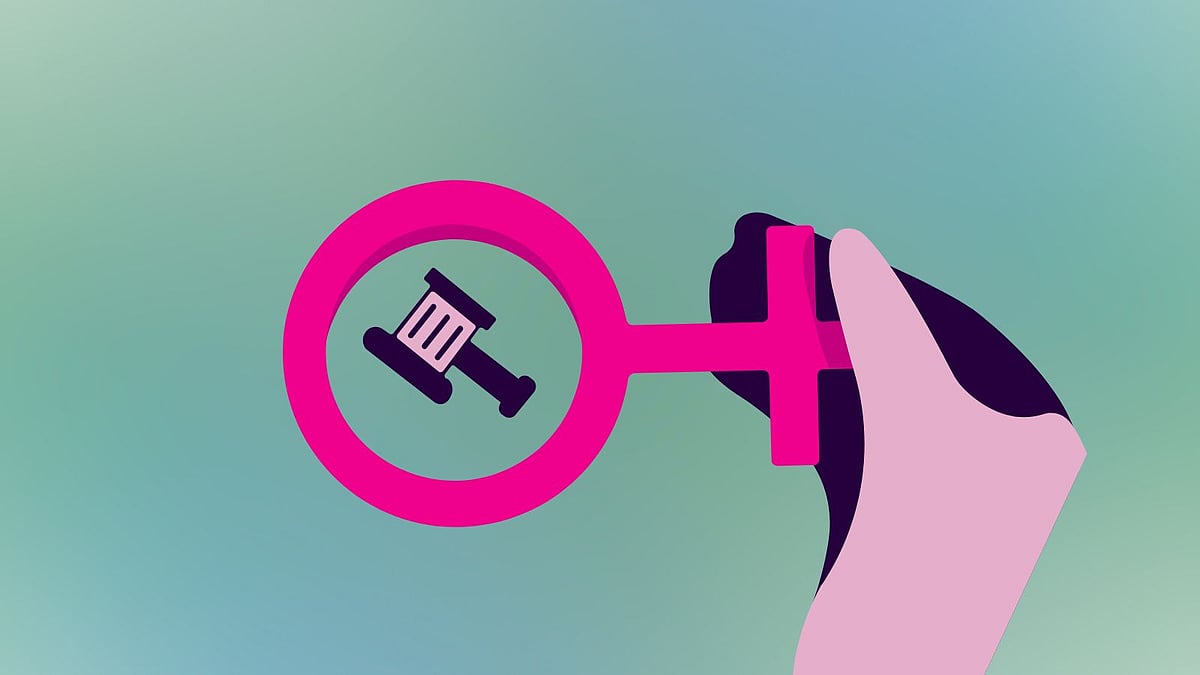
The Kerala High Court’s judgment requiring a doctor to cancel her medical registration before joining the Bar conflates registration with practice, and the law has never done so.
The Court recognised the petitioner's identity as male while holding that his biological status as a woman, until his reproductive organs are removed, entitled him to cryopreserve his oocytes under the ART Act, exposing a significant gap in India’s reproductive rights framework for transgender persons.
Once hailed as “islands of excellence,” a three-year study by The Leaflet shows that NLUs are marked by poor health infrastructure and weak preventive safeguards — with more to be done for greater inclusion of marginalised communities and mental health support.
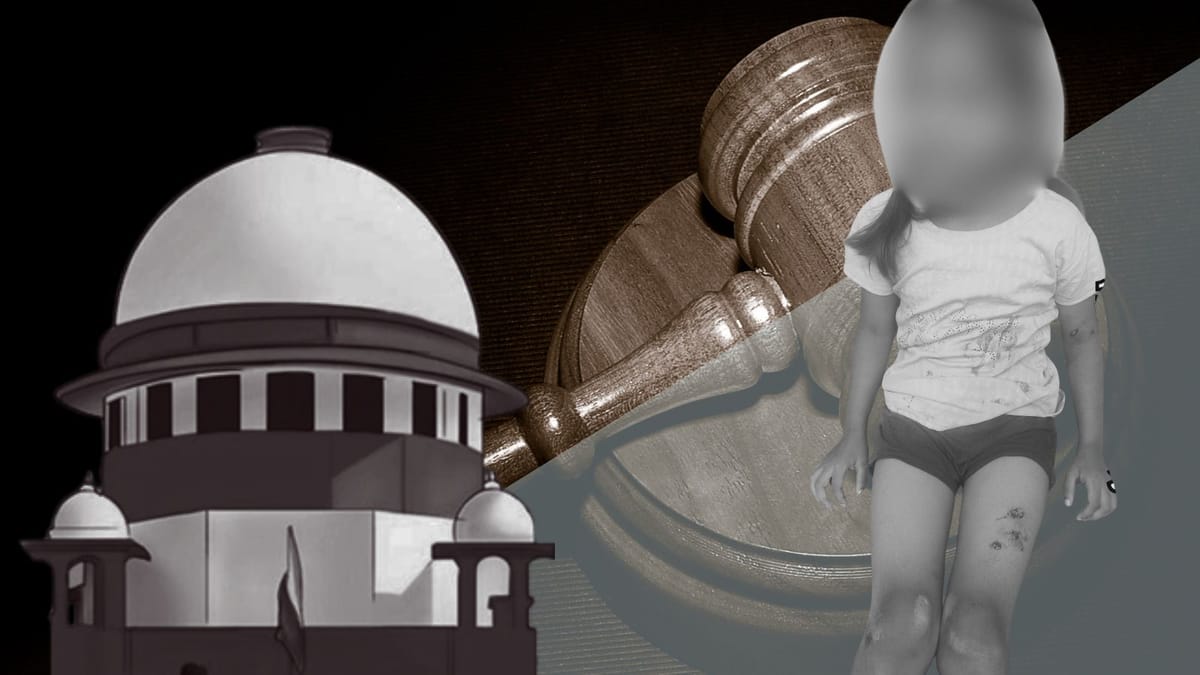
A three-judge bench is set to deliver verdict in a suo motu case on stray dog bites on August 22. The opportunity before the Court is not only to settle contrary decisions of various High Courts and benches on stray dog management, but also devise a meaningful way of holding municipalities accountable.
The bench of Justices Nagarathna and Mahadevan mulled over measures such as enhancing monthly compensation of the cadets and extending their protections under the RPwD Act.
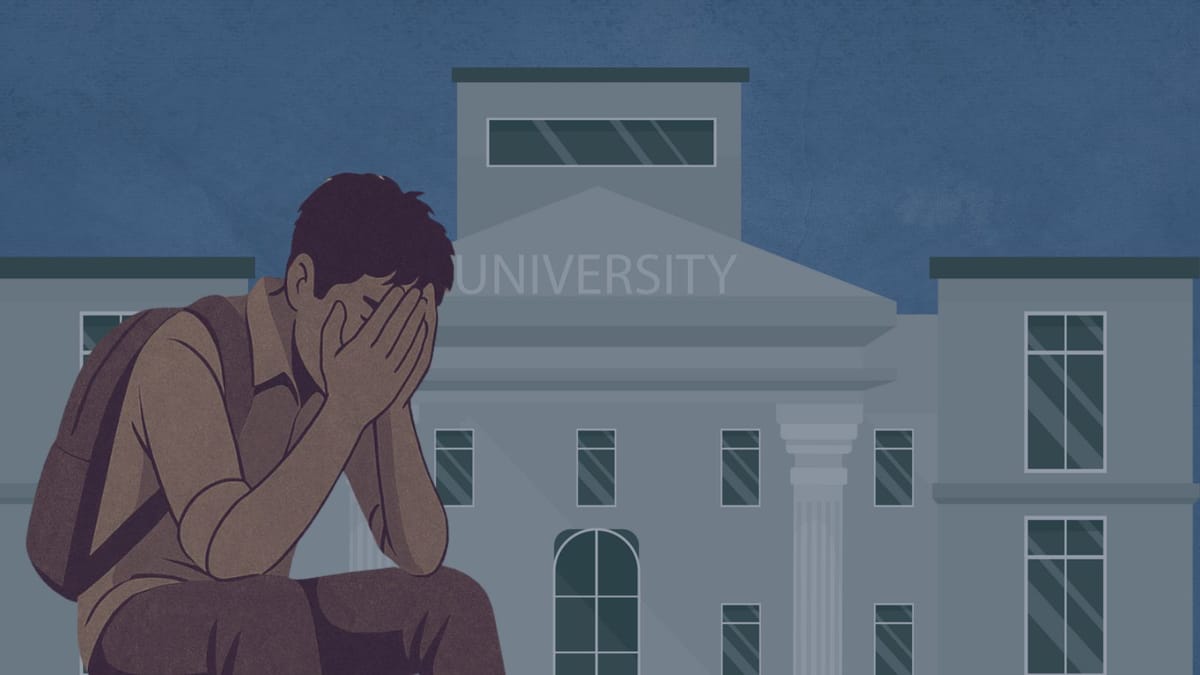
As tragic stories from Odisha to IIT Delhi fill our newspapers, the Supreme Court formed National Task Force on mental health and discrimination must treat these deaths not merely as administrative lapses, but as constitutional infractions.
Despite progressive changes introduced by the MTP Act, procedural rigmarole and biases remain obstacles to access. A case study by CEHAT raises the most important questions.
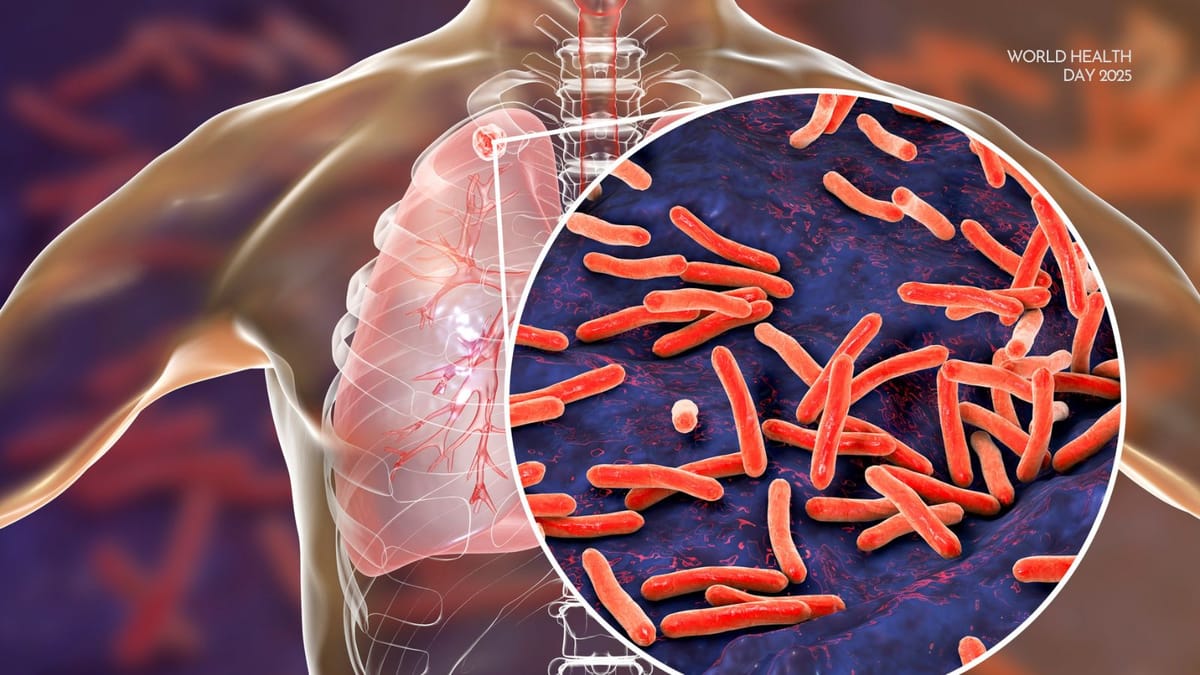
Over a hundred and forty years since discovering the Mycobacterium tuberculosis, we have not yet eradicated the disease. As we continue to embrace a “wasteful, inefficient” treatment method and now face serious cuts to TB research expenditures by the United States, a renewed commitment to a community-driven, people-centred, response is crucial.
The Trump administration’s decision to withdraw from the WHO weakens the international system of global health cooperation and undermines global pandemic preparedness. But it is also an opportunity to innovate a new paradigm of global health governance - of increased regional collaborations and critical reforms in the WHO