Ahmed Almakki’s struggle should serve as a clarion call for reform, highlighting the importance of legal vigilance and the relentless pursuit of justice for the most vulnerable.
As the government continues to pick and choose from collegium recommendations on the appointment, elevation and transfer of judges, the delay in acting upon the recommendations peeks from under the carpet.
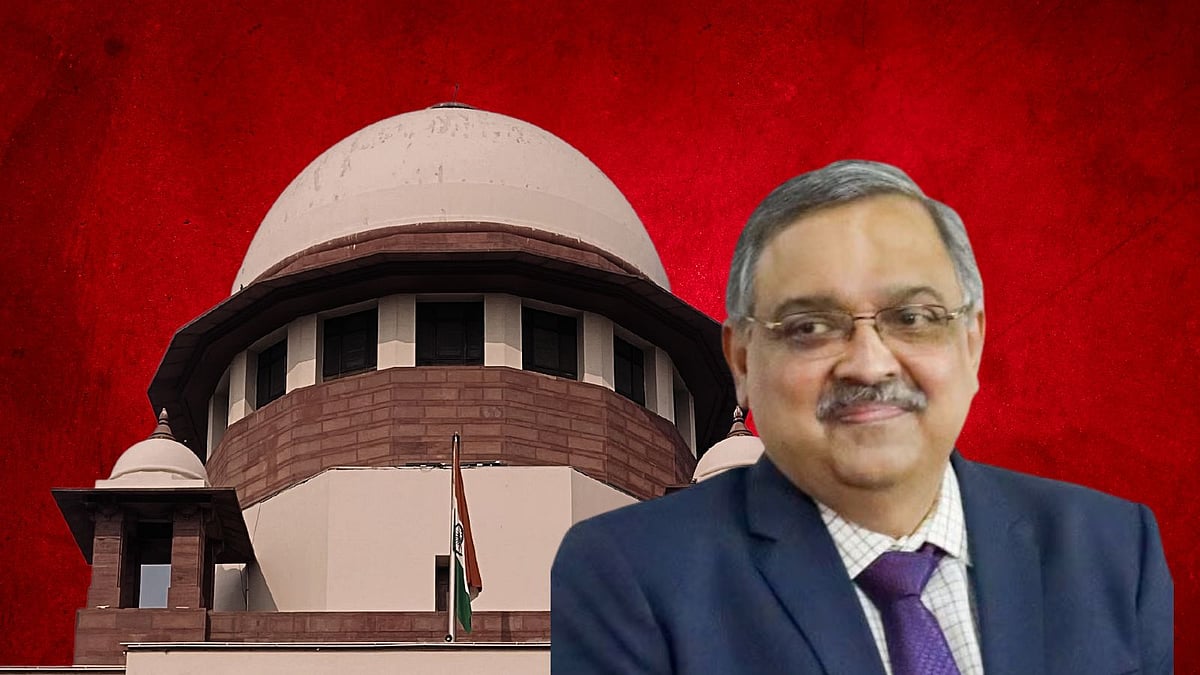
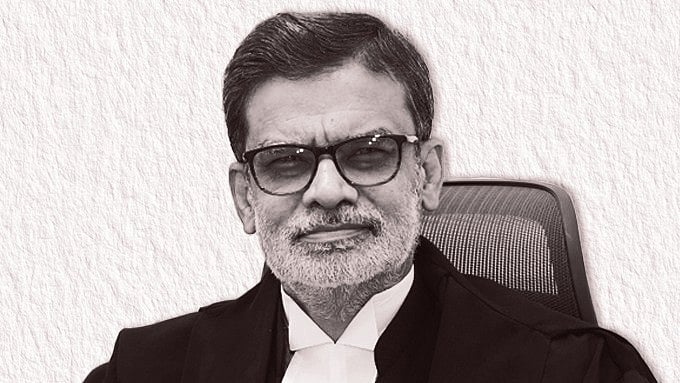
Justice K. Vinod Chandran hails from the High Court of Kerala and is the senior judge of that court. He is at number 13 in the combined all-India seniority list of high court judges.
Former Chief Justice of India D.Y. Chandrachud famously said that the answer to sunlight is more sunlight. As the new Supreme Court Collegium makes a move away from this philosophy of transparency, the Union government's pick-and-choose policy on the appointment and transfer of judges continues unchallenged.
In justification of their dissent, Rahul Gandhi and Mallikarjun Kharge said merit must be balanced with ensuring representation of regional, caste, community and religious diversity.
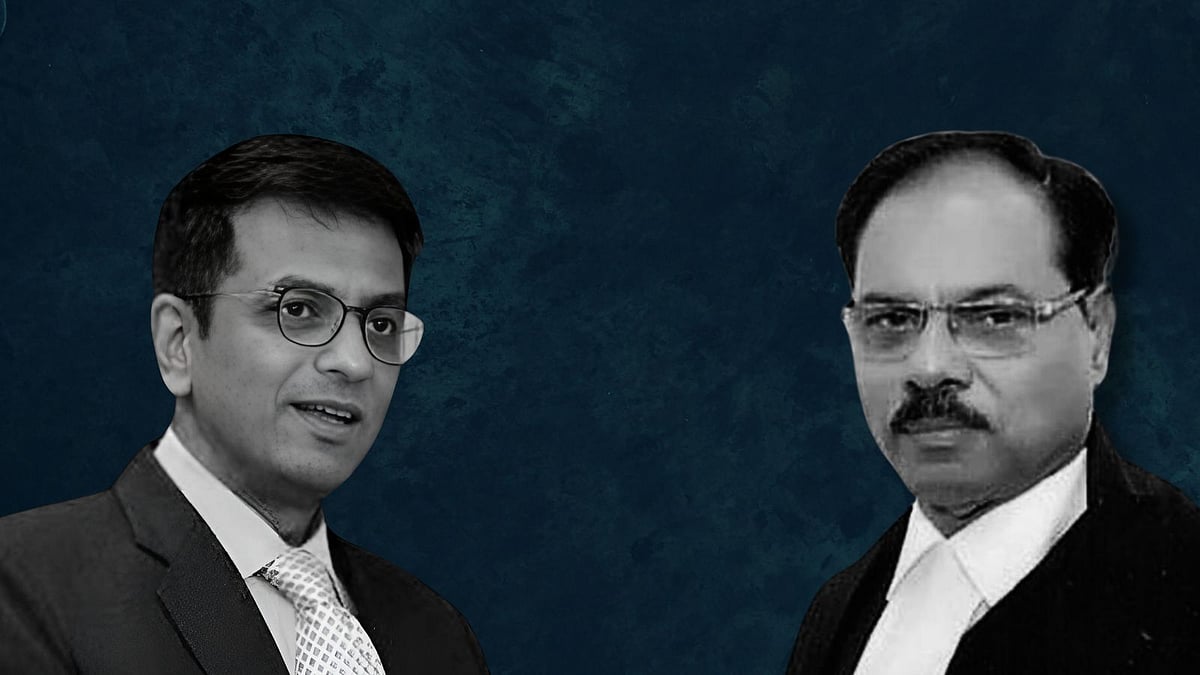
“Yes, as a consultee judge, I had strongly opposed his appointment as a judge of the Allahabad High Court. I have read @TheLeaflet.in's piece, where they have reported my letter. However, the collegium was not bound to accept my views,” tweeted Livelaw, quoting Justice Chandrachud.
The Bench also imposed a blanket ban on any further publication and dissemination of the book, summoning records pertaining to the approval of the chapter in question.
Justice Varma’s writ petition seeks not fairness, but a do-over — and bypasses the process he already partook in. At the heart, at stake is the judiciary’s integrity and the faith of thousands of litigants who knock on the court’s door.