How a recent Delhi High Court Order reinforces disturbing trends in bail jurisprudence
In staying an Order of a trial court refusing to extend the custody of a few terror accused, the Delhi High Court has provided only the latest reminder of the serious and significant issues with bail jurisprudence in India.
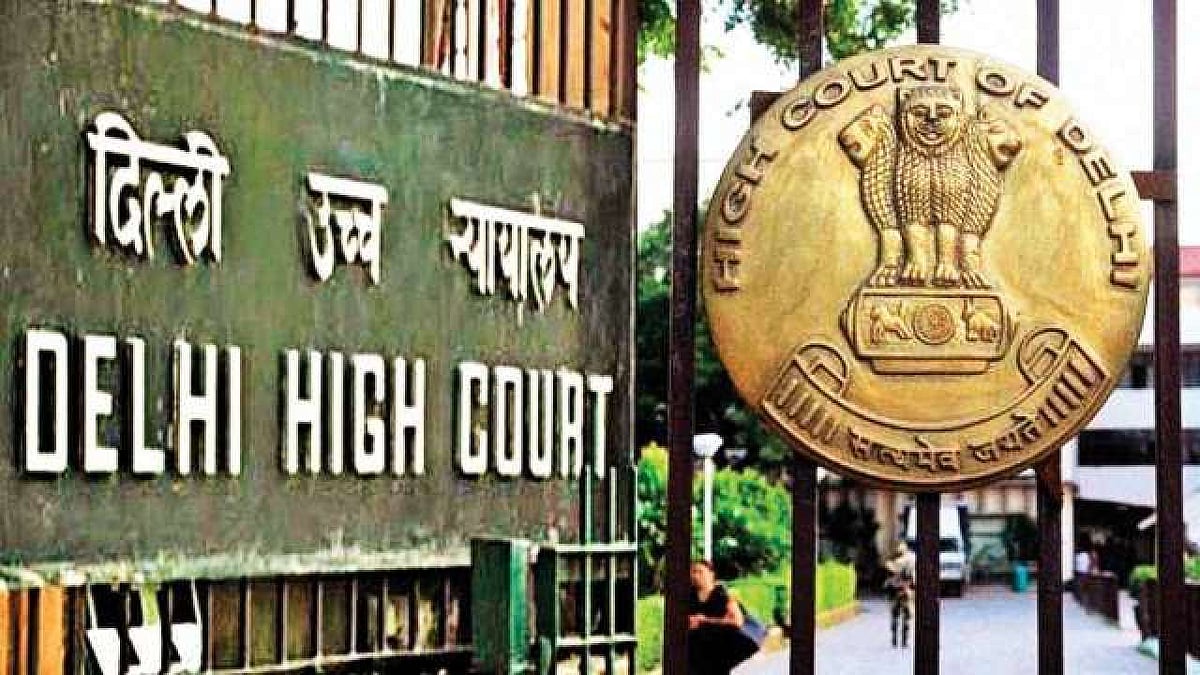
Published on: 21 November 2024, 02:24 pm
IN a significant jolt to the principles of natural justice, including the presumption of innocence and fair trial, the Delhi High Court has stayed an Order that had refused to grant a mechanical extension of custody of the accused on national security grounds.
Acting with the speed of light, a division Bench of Justices Rekha Palli and Saurabh Banerjee passed the stay Order on November 19 in the absence of the accused persons and their lawyers.
The Bench also allowed the Delhi police to complete the investigation and ordered that the detention of the accused persons be extended until the next hearing, which is on November 26.
The Bench was hearing an urgent appeal filed by the Delhi police under the National Investigation Agency (NIA) Act, 2008, challenging an Order passed by the additional sessions judge, Dr Hardeep Kaur, rejecting the report of the prosecution seeking an extension of time to conclude the investigation in a case of an alleged “Al-Qaeda-inspired terror module”.
The Order of the additional sessions judge would have paved the way for the accused persons to get default bail had it not been stayed by the high court.
Acting with the speed of light, a division Bench of Justices Rekha Palli and Saurabh Banerjee passed the stay Order on November 19 in the absence of the accused persons and their lawyers.
Brief facts
The special cell of the Delhi police claim that it had been receiving secret inputs that a highly radicalised Jharkhand-based group and some other “sympathisers” were conspiring and planning terror attacks. The police claim that one Dr Ishtiyaq Ahmed, hailing from Ranchi, was heading the group.
The police also claim that along with others, Dr Ishtiyaq visited Delhi several times for “planning and preparation of their sinister design”.
On July 15, 2024, the special cell of the Delhi police registered a first information report (FIR) in the case. Thereafter, police raided several locations, including Bhiwadi in Rajasthan, Hazaribagh and Rachi in Jharkhand, and Aligarh in Uttar Pradesh.
The police claim that seven persons were found taking weapons training from two trainers at Sare Kalan Ki Pahadi, Ajmeri Naka, Chaupanki, Bhiwadi, Rajasthan.
As per the police, during the raids, a total of six persons were arrested— Anamul Ansari, Shahbaz Ansari, Altaf Ansari, Hasan Ansari, Arshad Khan and Umar Farooq. One of the persons who was undergoing training and two trainers managed to escape into a deep forest.
Police claim that an assault rifle, pistol, revolver, hand grenade, elbow-shaped iron case, key remote control mechanism with battery, 66 live cartridges of different bores and other incriminating items and materials were recovered from the arrested persons. During the investigation, four more people were arrested by the police, including Dr Ishtiyaq Ahmed.
Based on interrogation and analysis of the mobile phones of accused persons during the investigation, the police claim that they discovered that the accused were conspiring for terror acts with the intent to disrupt the security and sovereignty of India.