Inside the Collegium’s Latest Picks for Elevation to the Supreme Court: Who are they?
On May 27, the Collegium recommended five names for elevation to the Supreme Court. The list includes four sitting High Court Chief Justices and one Senior Advocate. Here’s a brief peek into the lives and careers of those recommended for elevation to the Supreme Court.
Published on: 29 May 2026, 03:34 pm
ON MAY 27, the Collegium, comprising Chief Justice of India Surya Kant and Justices Vikram Nath, J.K. Maheshwari, B.V. Nagarathna and M.M. Sundresh recommended the elevation of five names. If the appointments are confirmed, the Supreme Court will function with a strength of 37 judges including the CJI, and one vacancy.
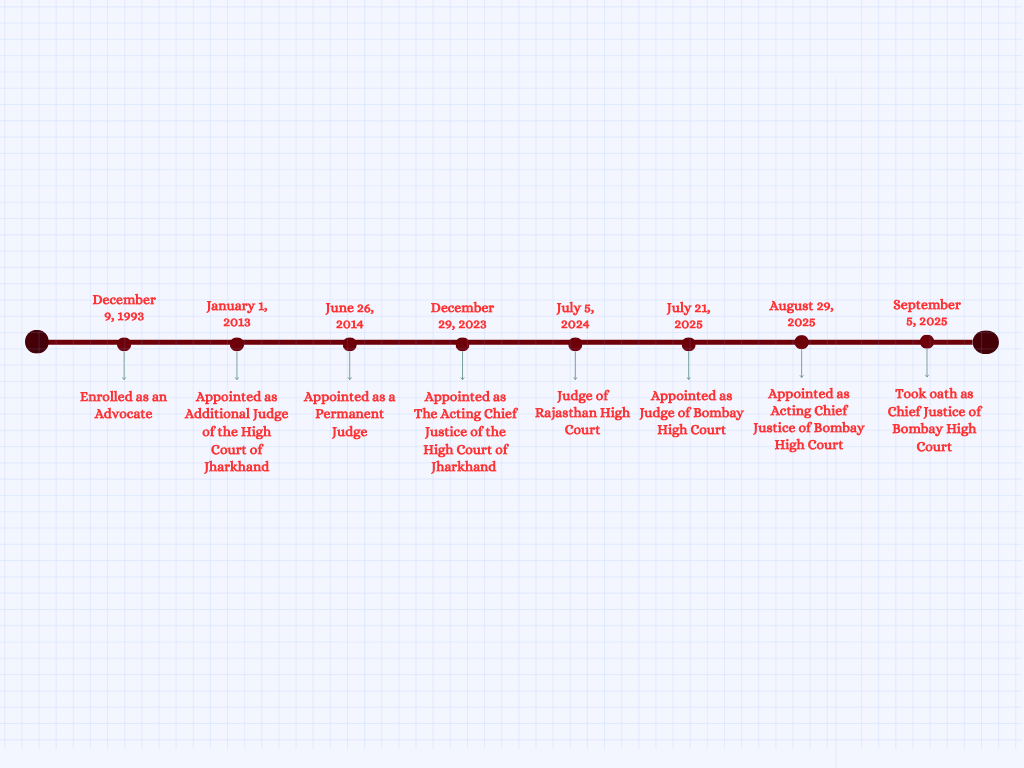
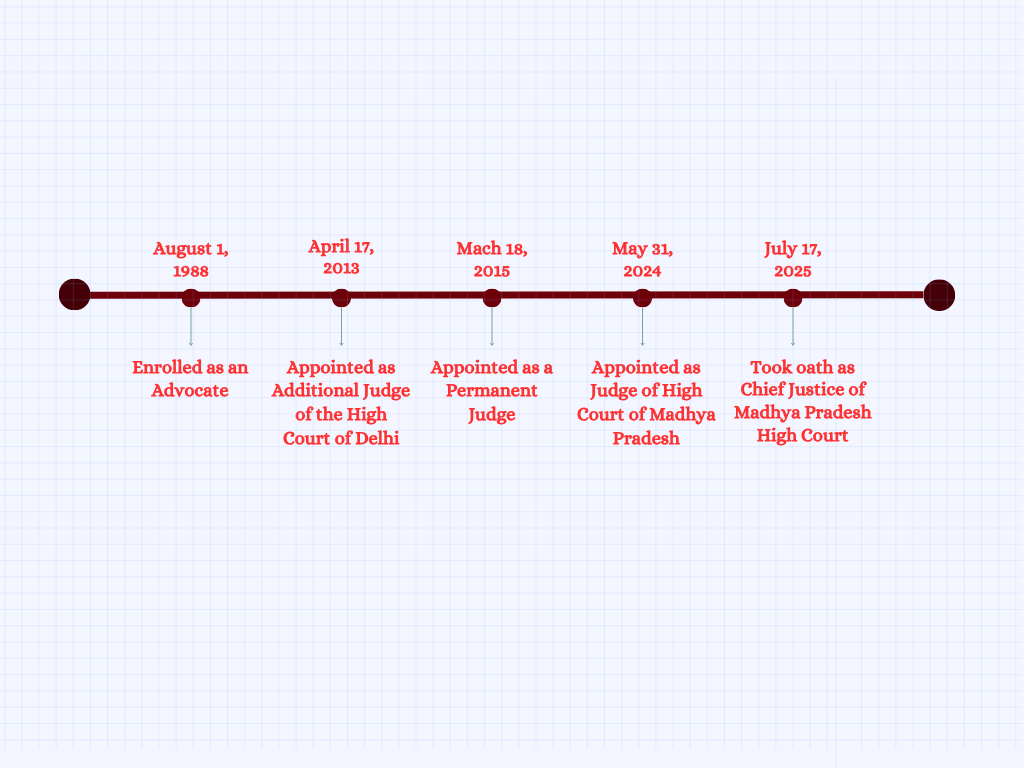
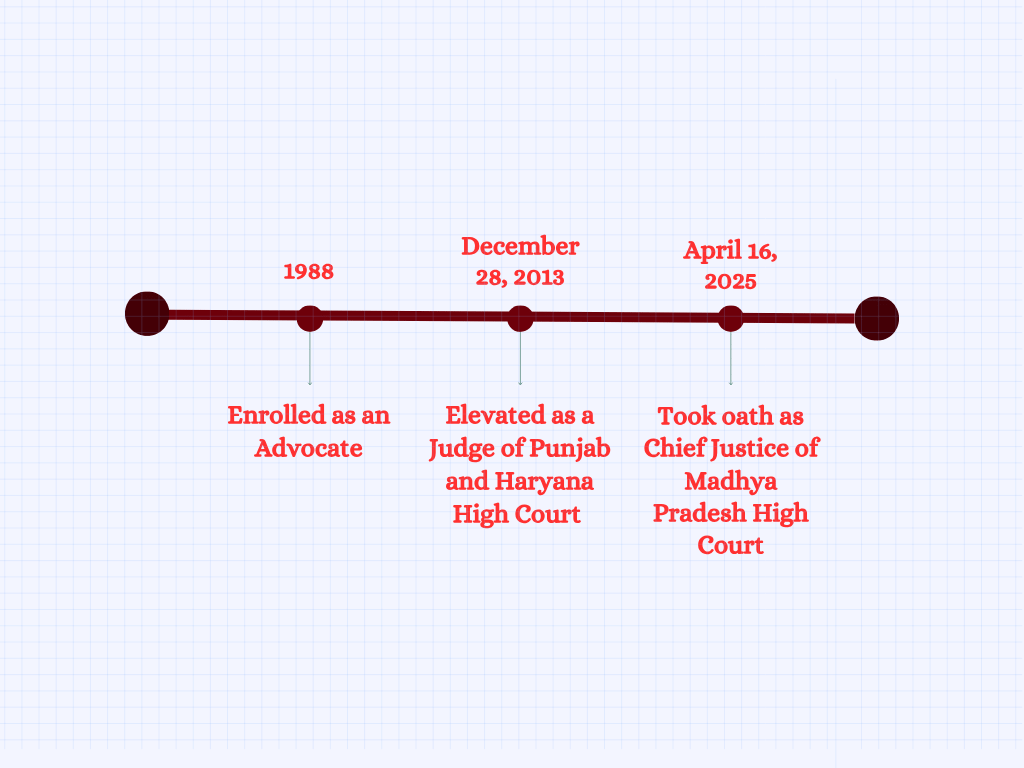
The list includes four sitting Chief Justices of High Courts and one senior advocate for elevation as judges to the Supreme Court. These are Justices Sheel Nagu, Shree Chandrashekhar, Sanjeev Sachdeva, Arun Palli, and Senior Advocate V. Mohana. None of them will be in line to eventually become Chief Justice of India, if appointed.
Here is a brief background on each of them.
1. Justice Sheel Nagu, Chief Justice of the Punjab and Haryana High Court
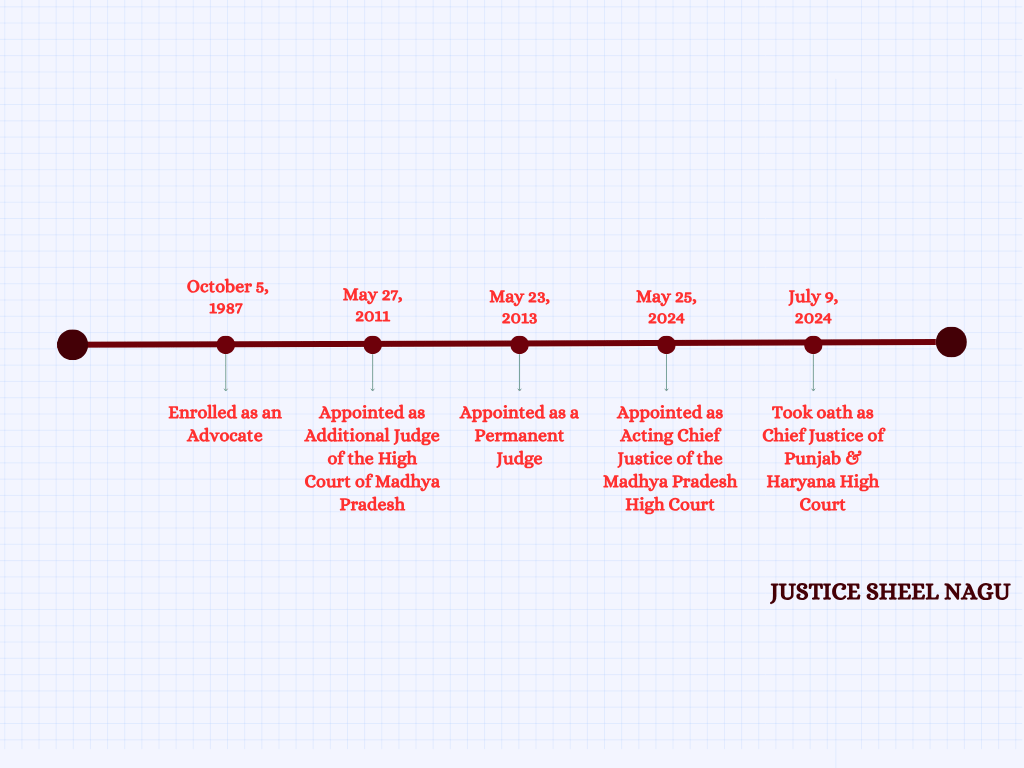
Justice Sheel Nagu enrolled as an advocate in October 1987 and built his practice on the civil and constitutional sides at the Madhya Pradesh High Court in Jabalpur. There, he was elevated as an Additional Judge in May 2011 and confirmed as a Permanent Judge in May 2013. He was appointed Acting Chief Justice of the Madhya Pradesh High Court in May 2024.
Over a tenure of more than 12 years, he authored upwards of 499 reported judgments.
While serving at the Madhya Pradesh High Court, he passed notable orders concerning prison conditions and detainee rights. His Bench called for the establishment of a primary health centre within jail campuses, equipped to treat serious ailments including heart, kidney, and liver conditions, reflecting a concern for the dignity and welfare of prisoners.
He also drew attention for rulings in matrimonial disputes where his Bench held that a wife’s refusal of physical intimacy could constitute cruelty, and that failing to show adequate respect toward a husband and his family could amount to mental cruelty sufficient to justify dissolution of marriage.
He was sworn in as the 36th Chief Justice of the Punjab and Haryana High Court on July 9, 2024.
There, he took suo motu cognizance of various issues including the non-payment of honorarium to over 50,000 anganwadi workers. His Bench also ruled against charging parking fees from litigants, advocates, and court staff visiting the High Court, and had also flagged that district court infrastructure across Punjab and Haryana was not disabled-friendly. Infamously, his Bench acquitted Gurmit Ram Rahim in the 2002 Journalist murder case that had drawn significant public attention.
Justice Nagu has also headed benches in politically sensitive matters connected to AAP leaders and individuals who later shifted allegiance to the BJP. These include Sandeep Pathak’s case, where the Court granted protection against coercive action; Rajinder Gupta’s security cover petition and Trident Limited’s challenge to Punjab Pollution Control Board action. He was also part of the committee that investigated allegations against Justice Yashwant Varma after burnt currency notes were discovered at his official residence during a firefighting operation.
Justice Nagu is expected to serve approximately three years and seven months on the bench, retiring in December 2029.