Amidst strong Opposition dissent, new NHRC chairperson and members appointed
In justification of their dissent, Rahul Gandhi and Mallikarjun Kharge said merit must be balanced with ensuring representation of regional, caste, community and religious diversity.
Published on: 24 December 2024, 11:03 am
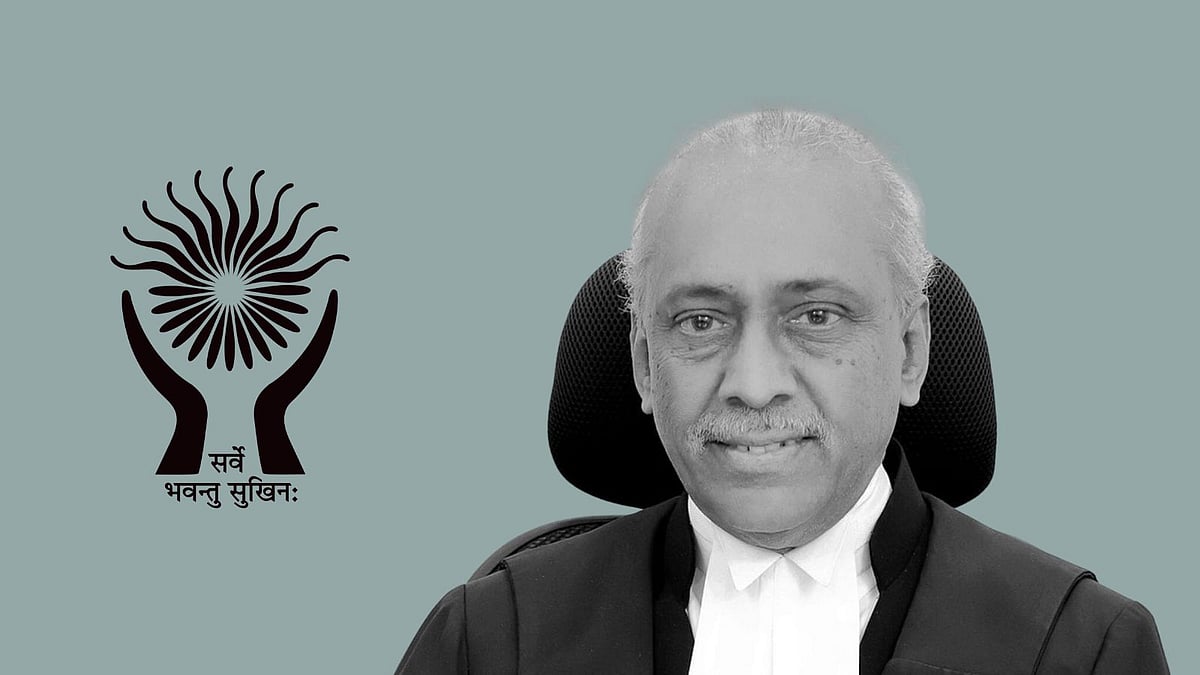
ON Monday, the President of India, Droupadi Murmu, appointed former Supreme Court judge V. Ramasubramanian chairperson of the National Human Rights Commission (NHRC). The office had been vacant since June 1, when Justice Arun Mishra retired as chairperson of the NHRC.
The President of India also appointed chairperson of the National Commission for Protection of Child Rights Priyank Kanoongo and retired high court Chief Justice Bidyut Ranjan Sarangi as members of the NHRC.
Justice Ramasubramanian hails from Tamil Nadu. He was appointed to the Supreme Court on September 23, 2019, and retired on June 29, 2023. He also served as Chief Justice of the Himachal Pradesh High Court before his elevation to the Supreme Court.
The decision to appoint Justice Ramasubramanian to the NHRC was taken on the recommendation of a committee that comprises the Prime Minister as its chairperson, Speaker of Lok Sabha, minister-in-charge of the Union home ministry, leaders of Opposition in Lok Sabha and Rajya Sabha, and deputy chairman of Rajya Sabha.
The President of India also appointed chairperson of the National Commission for Protection of Child Rights Priyank Kanoongo and retired high court Chief Justice Bidyut Ranjan Sarangi as members of the NHRC.
Of the six members of the committee, two members, namely Rahul Gandhi and Mapanna Mallikarjun Kharge, who are leaders of Opposition in Lok Sabha and Rajya Sabha respectively, gave their common dissent.
They termed the selection process adopted by the committee “fundamentally flawed and a pre-determined exercise that ignored the established tradition of mutual consultation and consensus, which is essential in such matters”.
“This departure undermines the principles of fairness and impartiality, which are critical to the credibility of the selection committee. Instead of fostering deliberation and ensuring a collective decision, the committee relied on its numerical majority to finalise the names, disregarding the legitimate concerns and perspectives raised during the meeting,” read a dissenting note signed by Gandhi and Kharge.
Both Gandhi and Kharge had proposed names of former Supreme Court judges Justice Rohinton Fali Nariman and Justice K.M. Joseph, but a majority of the committee members rejected these names.
“Justice Rohinton Fali Nariman, a distinguished jurist from the minority Parsi community, is renowned for his intellectual depth and unwavering commitment to constitutional values. His inclusion would send a strong message about the NHRC's dedication to representing India's pluralistic society.
“Similarly, Justice Kuttiyil Mathew Joseph, a former Supreme Court judge, belonging to the minority Christian community, has consistently delivered judgments that emphasise individual freedoms and the protection of marginalised groups, making him an ideal candidate for this critical position,” the dissenting note states.
Gandhi and Kharge recommended the names of former Chief Justice of the Orissa High Court Justice S. Muralidhar and former Chief Justice of the Rajasthan High Court Justice Akil Abdulhamid Qureshi for being appointed as members of the NHRC. However, the majority led by Prime Minister Modi shot down the names.
In justification of their dissent, Gandhi and Kharge said while merit is undeniably the primary criterion, maintaining a balance that reflects the regional, caste, community and religious diversity of the nation is equally important.