Sanitised toilets in courts— a fundamental right and not just a convenience
Sanitation is a fundamental right and courts should not be the place where this right is violated, Gyanvi Khanna.
Published on: 30 January 2025, 01:38 pm
IN a significant judgment, the Supreme Court recently highlighted that toilets are not merely a matter of convenience, but a basic necessity and a facet of human rights. While stating this, the court went on to recognise proper sanitation as a fundamental right under Article 21 (right to life) of the Constitution.
The Bench comprising Justices J.B. Pardiwala and R. Mahadevan made these observations in a public interest litigation seeking sanitised toilets in all courts and tribunals. It passed a slew of directions to high courts as well as to state governments.
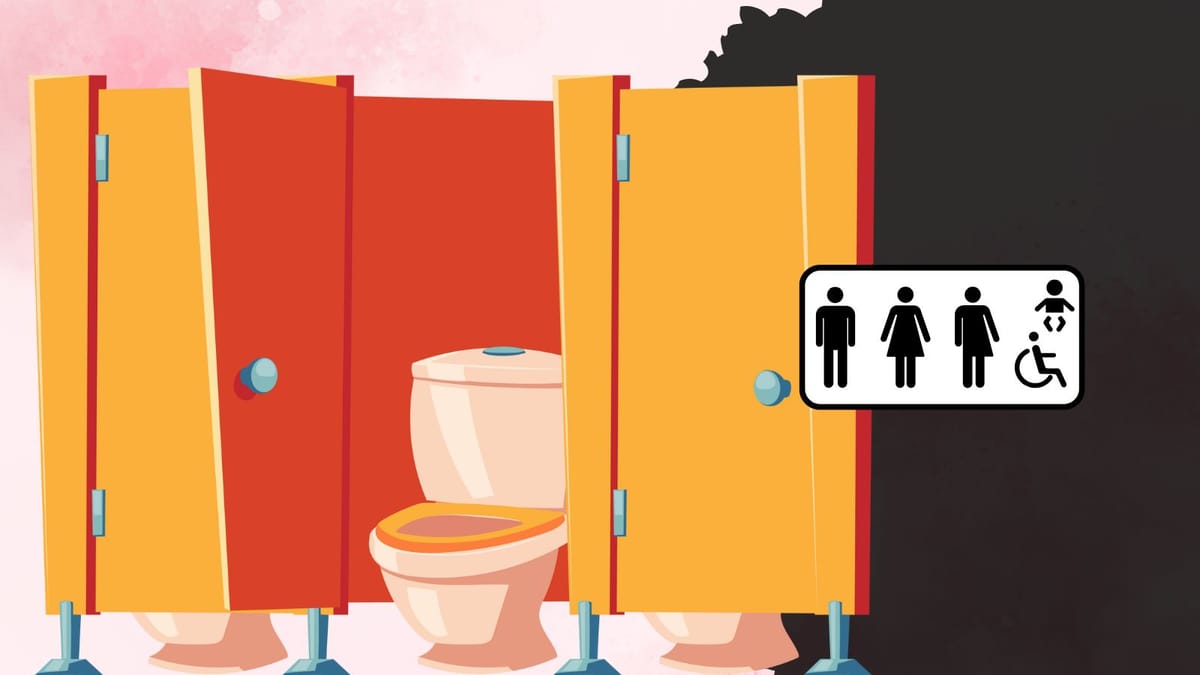
The directions particularly included the construction and availability of separate toilet facilities for males, females, specially-abled persons and transgender persons in all court premises and tribunals across the country.
The Bench comprising Justices J.B. Pardiwala and R. Mahadevan made these observations in a public interest litigation seeking sanitised toilets in all courts and tribunals.
The court observed that access to justice encompasses the creation of a human atmosphere for all stakeholders. It also highlighted the need to have proper washrooms by stating that the lack of these basic amenities should not discourage litigants from exercising their legal rights.
“Access to justice includes the creation of a pleasant and humanly (sic) atmosphere for all the stakeholders in the dispensation of justice. The litigants for fear of sitting in courts for long hours without access to basic amenities should not be forced to refrain from exercising their legal rights.
“Therefore, high court premises must be equipped with proper washroom facilities for judges, advocates, litigants and staff members, just as required in other public places. Additionally, it is equally essential to ensure that these facilities are adequately provided, maintained and accessible to everyone, sans discomfort or inconvenience.”
Observing that the failure to provide adequate washroom facilities reflects a deeper flaw in the justice system, the court, while expressing its dismay, stated, “The sorry state of affairs indicates the harsh reality that the judicial system has not entirely fulfilled its constitutional obligation to provide a safe, dignified and equal environment for all those seeking justice.”
The court also noted that even old toilets are in unusable condition and are not being properly maintained due to insufficient funds. It directed state governments to allocate sufficient funds for the construction, maintenance and cleanliness of toilet facilities.
The court also expressed concern about the lack of washroom facilities for judges in district courts, particularly in rural areas. It said that district courts are in the worst and most deplorable conditions.
“As regards the district courts, we must also point out our deep concerns that there are instances where even judges, particularly in rural areas, still lack access to proper washroom facilities. This not only violates the rights of those directly affected but also tarnishes the reputation of the judicial system, which should serve as a model of fairness, dignity and justice.”
With regard to women, the court pointed out how the absence of creche facilities is challenging for single-mother advocates. Further, the provision of sanitary napkins and dispensers remains an unresolved issue in some high courts. Thus, one of the directions passed also included the installation of stocked sanitary pad dispensers in women, specially-abled persons, and transgender washrooms.