Judgement Summary: Delhi High Court’s ruling on ‘right to be forgotten’ and what it means for privacy in the digital age
In a ruling that brings Indian privacy law closer to the European framework, the Delhi High Court has for the first time laid down enforceable standards for the removal of personal information from search engines and court records, drawing on Puttaswamy and the European Union’s ‘right to be forgotten’ jurisprudence.
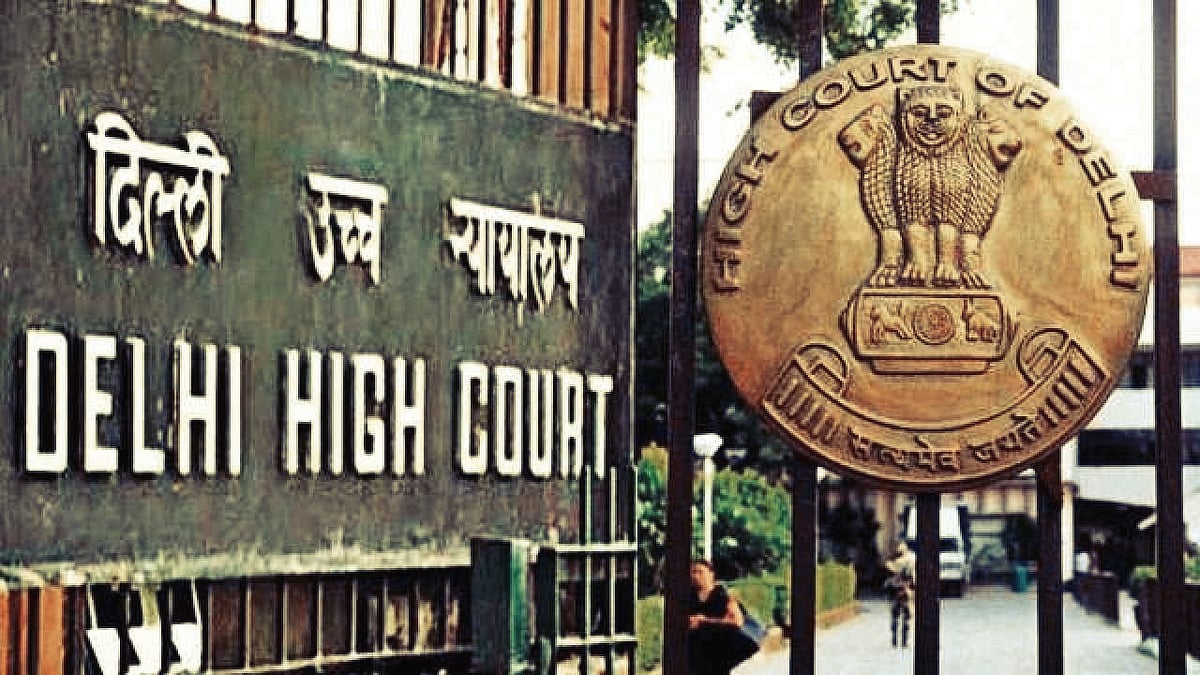
Published on: 8 June 2026, 10:23 am
ON MAY 29, the Delhi High Court, in a batch of petitions contesting the accessibility of individuals’ court records through a simple search engine query online, held that informational privacy lies at the core of the right to privacy in the age of digital permanence and constitutes an individual’s right to be forgotten. The Court additionally recognised de-indexing and masking as available remedies, to be applied in accordance with the specific facts of each case.
The judgment was pronounced by Justice Sachin Datta.
Background
The batch of petitions included petitioners with strikingly varied factual circumstances. One was a spouse whose name had appeared in criminal proceedings solely by virtue of their marital connection to the accused, with no personal involvement in the case. Another had been convicted by a court in the United Kingdom, served the sentence, and been released in 2021. A third was a practising doctor, a recognised figure in the fight against HIV-AIDS, who had subsequently been discharged from charges of illegally procuring medicines from abroad and mishandling HIV patients. A fourth had been acquitted of allegations of sexual offences.
Despite these differences, the petitioners by a common prayer that URLs be removed and their names de-linked from search engine results. Each of them, in different ways, found that their present lives continued to bear the weight of past judicial proceedings that had either not resulted in conviction, or whose consequences had already been formally concluded because they remained easily discoverable online, inviting stigma and moral judgment.
What both parties argued
The petitioners argued that once information is uploaded to the internet, it becomes permanently accessible to anyone across the world. They relied on K.S. Puttaswamy v. Union of India (2017), which recognised privacy, including informational privacy, as an intrinsic part of Article 21 of the Constitution. They also drew on the Court of Justice of the European Union's decision in Google Spain v. Mario Costeja Gonzalez (2014), where the Court allowed the de-indexing of articles that were inadequate or irrelevant which also inspired the European Union’s General Data Protection Regulation, 2016, which formally recognised the ‘right to be forgotten’. The petitioners warned that the unrestricted availability of personal information online causes tangible harm such as loss of employment, damage to creditworthiness, and erosion of dignity and reputation. They urged the Court to lay down clear standards for the removal of information that is no longer necessary or relevant.
The High Court held that the right to be forgotten which originates from Article 21 is inclusive of an individual’s right to seek removal or restriction of personal information when the same serves no legitimate purpose.