Suppression of right to protest in Delhi on October 10 by coercive measures of the State in shutting down infrastructure of communication would be be resisted by people to uphold the constitutional vision of India
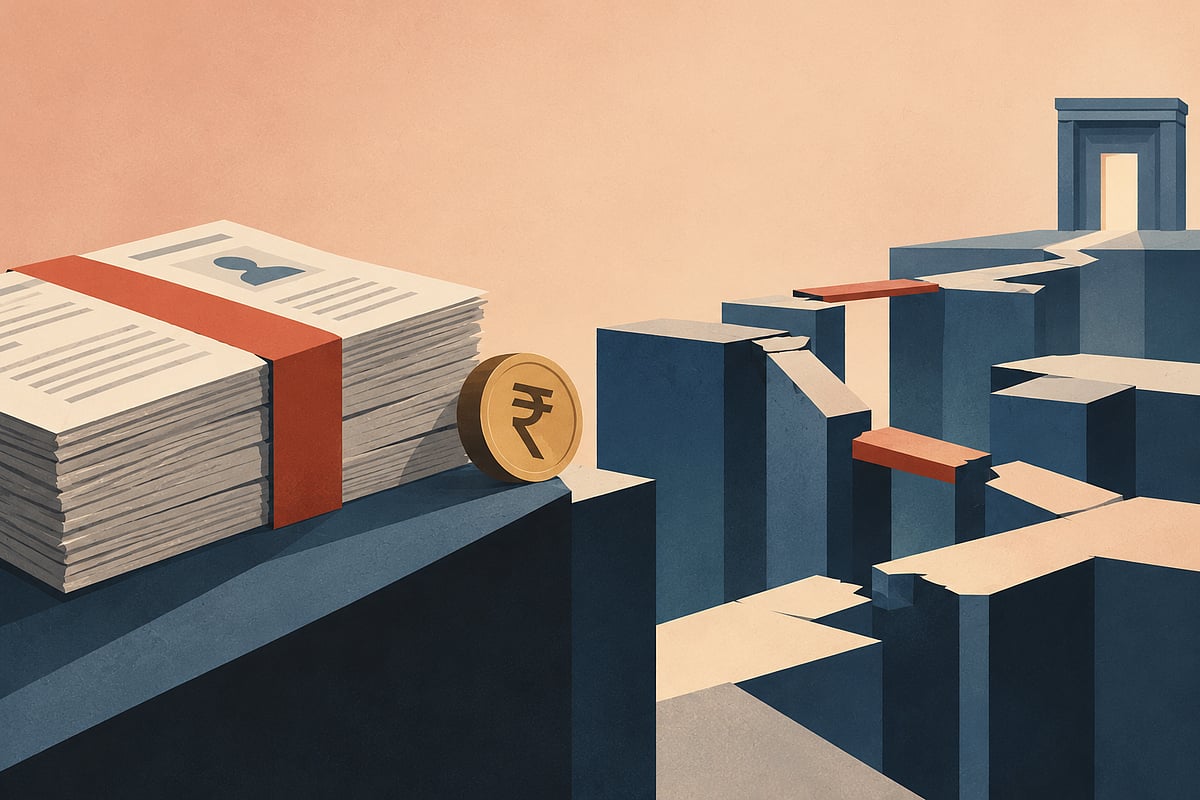
India has spent considerable effort expanding access to formal credit. The challenge is how to recover the debt which is unsecured and below INR 20 lakh? There is hardly any clarity in law how to effectively recover the money when that credit fails.
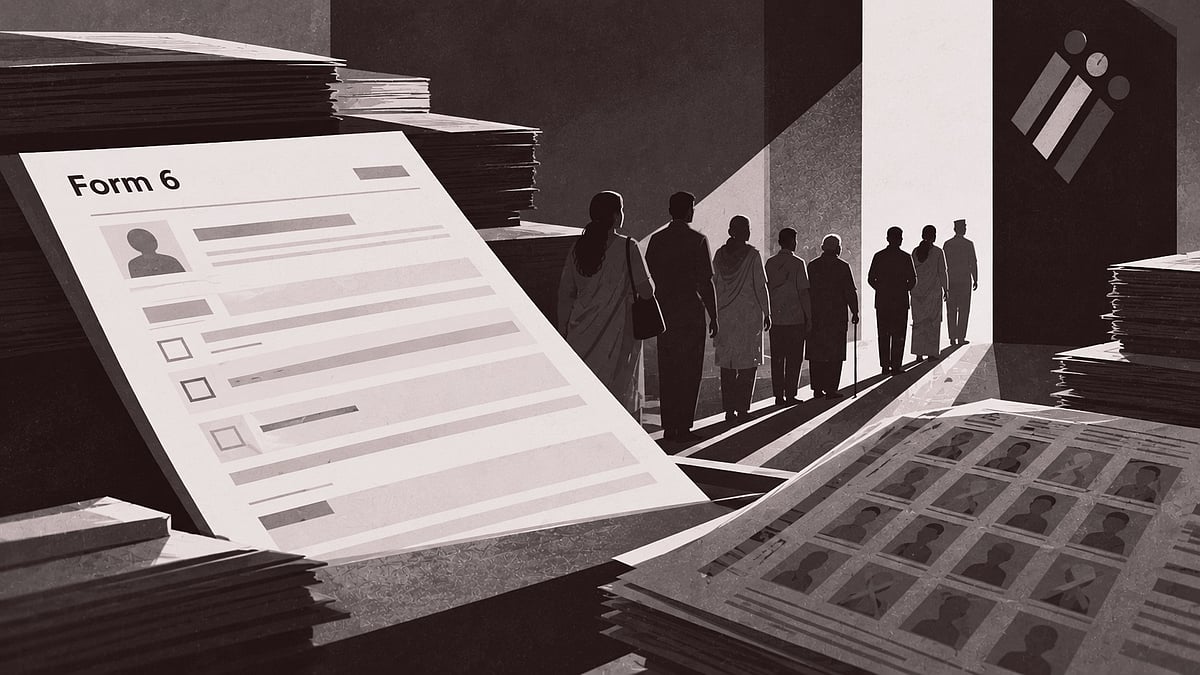
SIR generated disenfranchisement of millions, Election Commission of India’s unilateral modification of Form 6 admittedly under the cover of approval of Supreme Court which denies having given any such approval and grossly inadequate measures to deal with the fate of deleted voters has fatally imperilled democracy. The restoration of deleted voters in electoral roll, if at all done by a compromised ECI, has meant, in Mahatma Gandhi’s words, “sending a reprieve after hanging”
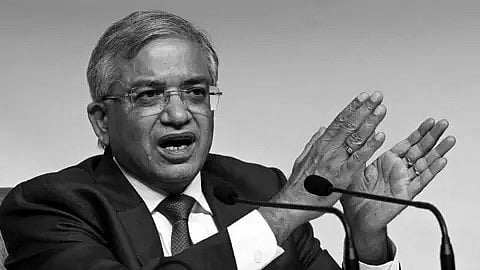
Ambedkar confessed in 1949 that the Drafting Committee and the Constituent Assembly suffered intense headache to find ways and means of protecting ECI’s independent status. Independent functioning of ECI till Modi assumed power provided remedy to that headache which sadly has become intense and unbearable because of CEC Kumar’s partisan functioning.
Three decades on, Indian arbitration oscillates between a recurring institutional cycle of judicial overreach, statutory correction and larger-bench reconsideration at the referral stage, leaving commercial parties less certain of the conditions and rules they contract under.
The Supreme Court has referred the validity of arbitration pre-deposit clauses to a larger bench. The real question, however, is whether Article 14 of the Constitution belongs at the reference stage of an arbitration that Section 18 of the Arbitration Act or even contract law could settle.
In 1920, Gandhi made the vote a duty and abstention a form of judgment, but for a voter who must first prove their place on the roll the duty has now become a privilege.