Addressing Discrimination and False Cures in Type 1 Diabetes: What we can learn from HIV Rights-based Response
India has the second-highest number of children with Type 1 diabetes globally. Almost a million Indians living with T1D face stigma and discrimination rooted in myths and stereotypes. With the health ministry and NCD programme failing to ensure equitable access to treatment and monitoring tools, could learnings from HIV/AIDs response help evolve legal norms against discrimination and misinformation on Type 1 diabetes?
Published on: 21 April 2026, 11:55 am
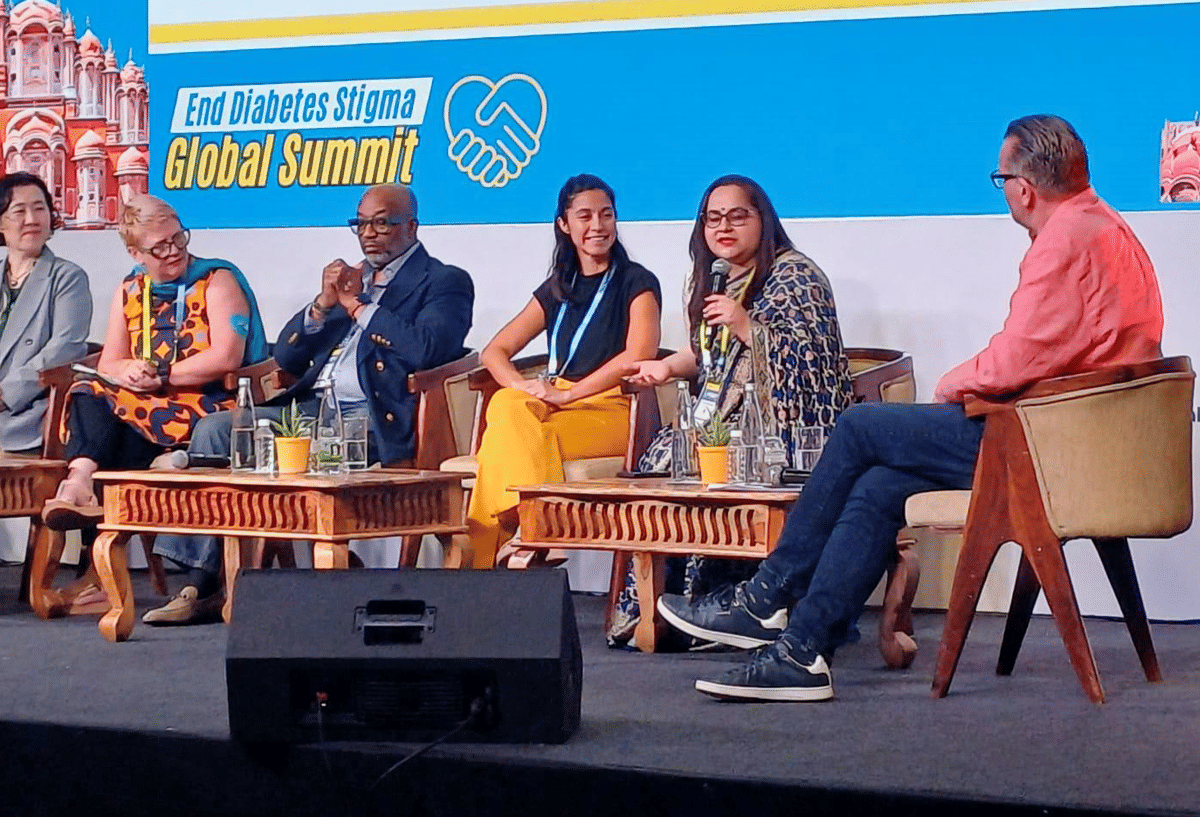
INDIA HOSTED the first Global Summit to End Diabetes Stigma in Jaipur in March 2026. One of the main themes was the application of human rights law to address diabetes-related stigma in healthcare, education, and employment. The key question that emerged was this: what lessons can be drawn from the HIV rights-based response in combating discrimination and misinformation?
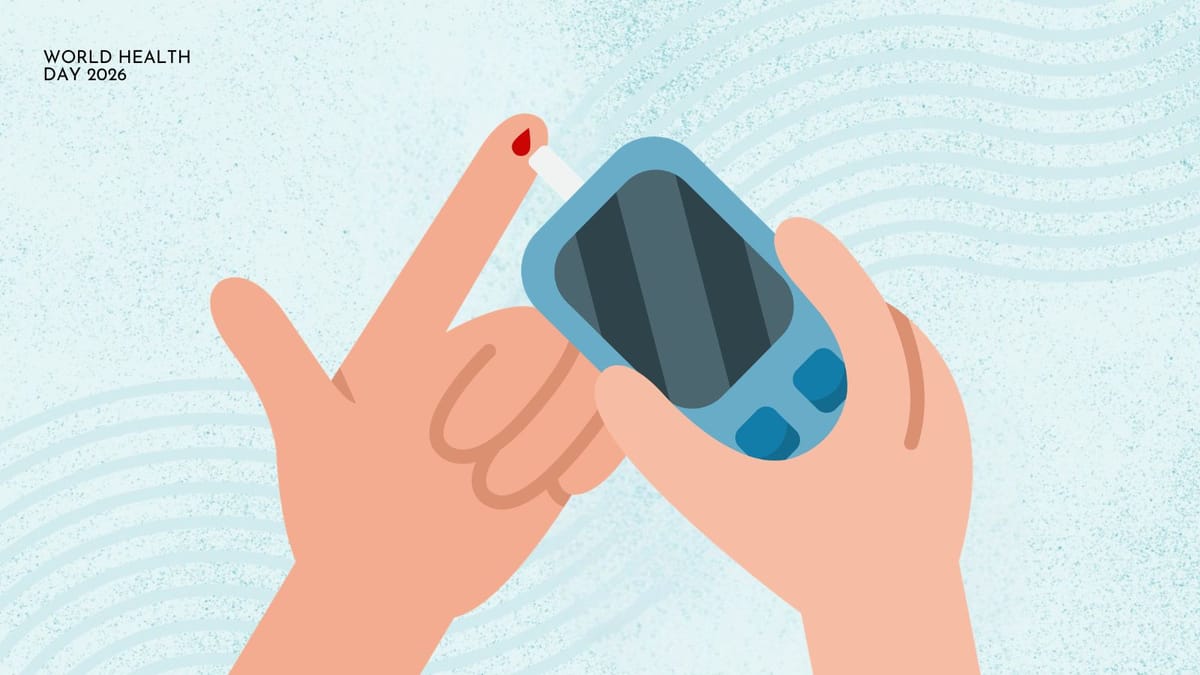
People living with Type 1 diabetes (‘T1D’) continue to face stigma and discrimination rooted in myths, stereotypes, and a persistent misunderstanding of this autoimmune condition, often diagnosed in childhood, adolescence or as young adults. Parents are frequently confronted with misleading claims—particularly so-called “cures”—that exploit their vulnerability and create confusion about effective treatment.
Children with T1 diabetes and learnings from HIV response
For children, these dynamics translate into direct violations of legal rights. There are documented instances of schools refusing admission upon disclosure of T1D in admission forms—constituting an abuse of disclosed medical information to exclude children with T1D and an infringement of the child’s right to education. Even where admission is granted, schools often impose disproportionate and discriminatory conditions, such as requiring a parent—typically the mother—to remain in school due to perceived risks associated with insulin administration or medical emergencies.
These practices point to a clear regulatory and policy gap. The Central Advisory Board of Education (‘CABE’), India’s highest advisory body that advises central and state governments on education policy, lacks guidance to govern admission practices and the schools’ duty of care toward children with chronic conditions such as T1D. At the same time, there is inadequate coordination with the Ministry of Health and Family Welfare (‘MoHFW’) and its National Programme for Prevention and Control of Non-Communicable Diseases (‘NCD Programme’) to ensure early screening in schools and access of children with T1D to essential diabetes management tools. These include insulin pens and continuous glucose monitoring devices (‘CGMs’) which facilitate their management and reduce the opportunities for exclusion from attendance and activities in both public and private school settings. The result is a de facto exclusion from education for many children with T1D.
The HIV response offers a useful point of comparison. HIV organisations contributed to the development of legal standards prohibiting discrimination on the basis of health status and frameworks adopted by the National AIDS Control Organisation, and CABE. For children living with HIV this jurisprudence was further strengthened in Naz Foundation v. Union of India (2017), where the Supreme Court of India affirmed that children living with or affected by HIV must be protected from discrimination in education. The Court clarified that such discrimination includes denial or limitation of access at the admissions stage, as well as segregation within schools in classrooms, sports, playgrounds, canteens, or other facilities. It also recognised the need to protect children and their families from financial extortion or forced expenditure linked to their HIV status. Significantly, the Court, in Naz Foundation, held that children living with or affected by HIV fall within the category of a “child belonging to a disadvantaged group” under the Right of Children to Free and Compulsory Education Act, 2009, thereby providing coverage under existing obligations on private schools who have to reserve a minimum of 25 percent of seats for economically weaker section (‘EWS’) and disadvantaged groups.