Celebrating multilingual India: Language rights in perspective
Published on: 15 August 2022, 11:01 am
INDIA is known globally for its colossal cultural and linguistic diversity. It occupies the third rank in terms of linguistic diversity according to the Greenberg's Linguistic Index (LDI) of the world with 96 percent diversity coverage and in terms of population speaking different languages, it is on the top (LDI 2012).
“"Though the partition of Bengal on religious grounds was vehemently opposed by the Indian National Congress in its Nagpur session of 1920, it accepted that the organisation of the Congress, based on language, would help it penetrate deeper into the country increasing its membership and awakening nationalist feelings among the Indians.
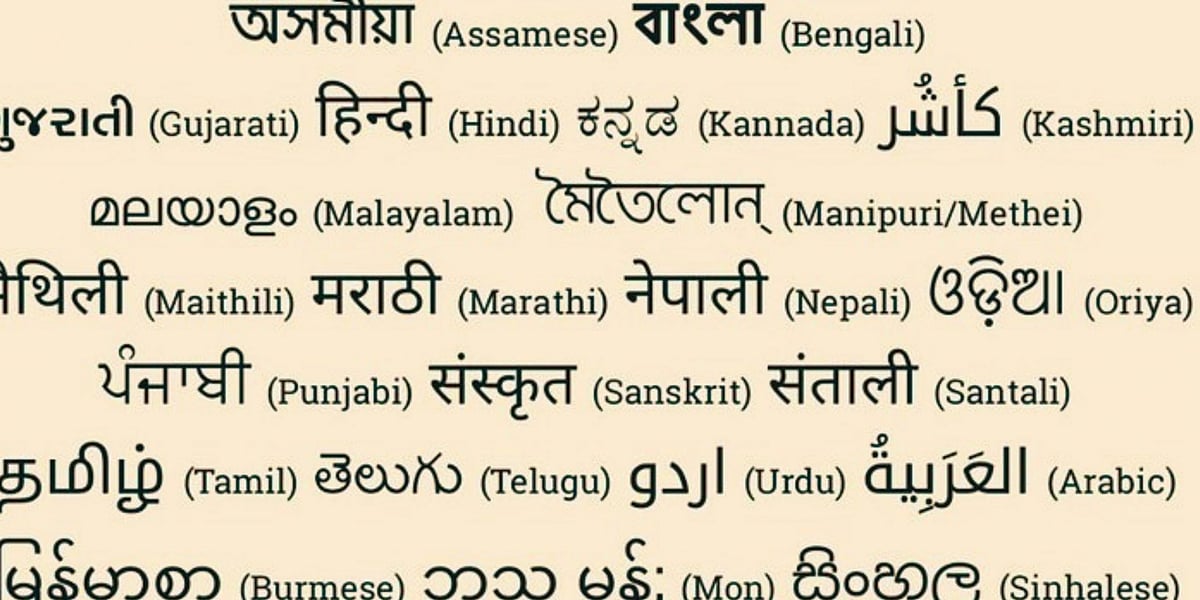
Territorially, India is mostly linguistically organized. Two of its languages, Hindi and Bangla are the second and third most spoken languages of the world. Ancient languages such as Tamil, Sanskrit, Telugu, Malayalam, and Odia with an unbroken tradition of more than one thousand five hundred years of literary texts and discussions, have been recognized by the Indian government as classical languages.
Also read: Plain languages in a complex country
Therefore, it is imperative to talk about language diversity in India as it played and still plays a critical role in shaping India's democratic polity. From being the most debated issue in the Constituent Assembly of India and the resolution on national language as a 'half-hearted compromise' (Austin, 1966) to being termed as 'dangerous' for India's territorial integration (Harrison, 1960), language provided the infrastructure on which India's multi-party system is built. Therefore, linguistic diversity and language rights, cannot be ignored for a full comprehension of India's 75 years' journey as an independent state.