Why is Delhi’s air much worse than you think
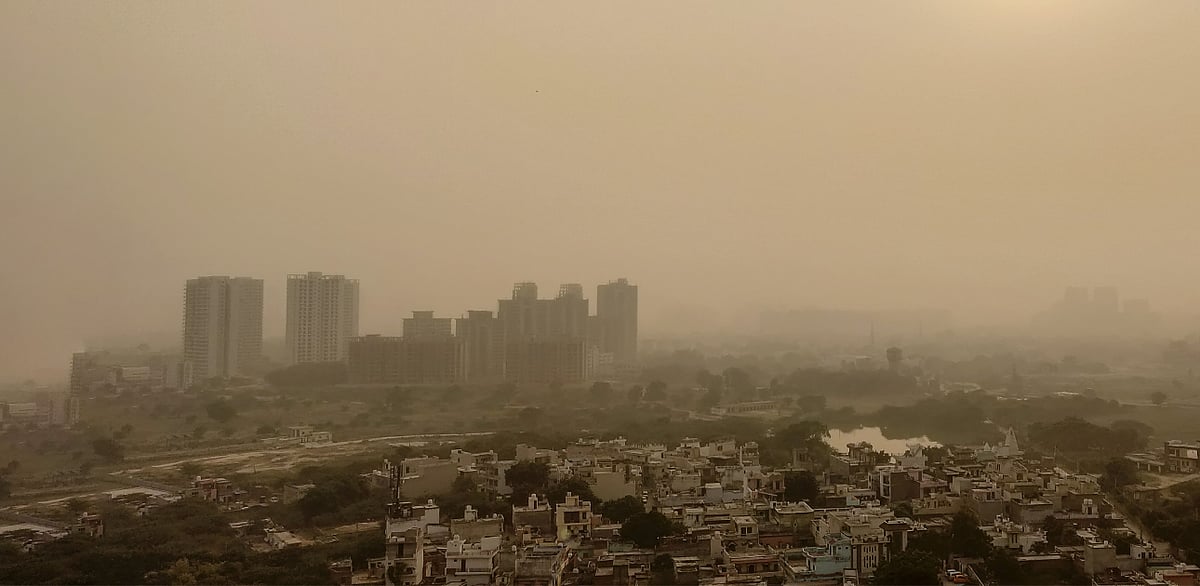
Delhi’s annual tryst with fatal levels of air pollution has begun, and so has the cacophony on how to reduce it. If you are a denizen of the city, your groaning respiratory system and watery eyes must be telling you that things are bad. But what makes things as bad as they are and is there a solution in sight?
Published on: 12 November 2023, 04:41 am
Delhi's annual tryst with fatal levels of air pollution has begun, and so has the cacophony on how to reduce it. If you are a denizen of the city, your groaning respiratory system and watery eyes must be telling you that things are bad. But what makes things as bad as they are and is there a solution in sight?
—
Every year, post Dussehra, Delhi loses sight of the Sun. There are many factors contributing to these nightmarish levels of air pollution. Weather, geography, local pollution (traffic, industries, etc.), agricultural practices, water security and climate change are the key factors at play.
On surface it looks like an insurmountable problem but it is not as complex as the Indian polity makes it out to be. It is also not as simple to fix as commentary from the courts and media suggest.
Everyone is obsessing over crazy high PM2.5 levels but it is only one of the many toxins that are rendering the air unbreathable. Concentration of most of the 'criteria' pollutants has significantly increased in the air right now compared to the start of October when air quality was safe as per the Indian standards.
The term criteria pollutants is used for those for which acceptable levels of exposure can be determined and for which an ambient air quality standard has been set, e.g., carbon monoxide, nitrogen dioxide, ozone, PM2.5, PM10 and sulphur dioxide.
What, why and how of PM 2.5
What is PM2.5?
PM2.5 are fine inhalable particles, with diameters that are generally 2.5 micrometres and smaller. How small is 2.5 micrometres? The average human hair is about 70 micrometres in diameter— making it 30 times larger than the largest PM2.5 particle. It is even smaller than a normal red blood cell.
Why is it bad?
PM2.5 poses serious health problems because they can get deep into lungs and some may even get into the bloodstream. Exposure to such particles can affect both lungs and heart. Numerous scientific studies have linked PM2.5 pollution exposure to a variety of problems, including premature death in people with heart or lung disease; nonfatal heart attacks; irregular heartbeat; aggravated asthma; decreased lung function; increased respiratory symptoms, such as irritation of the airways, coughing or difficulty breathing.