Speed of time: Constitutional questions surrounding the Maharashtra political crisis
Published on: 4 July 2022, 11:03 am
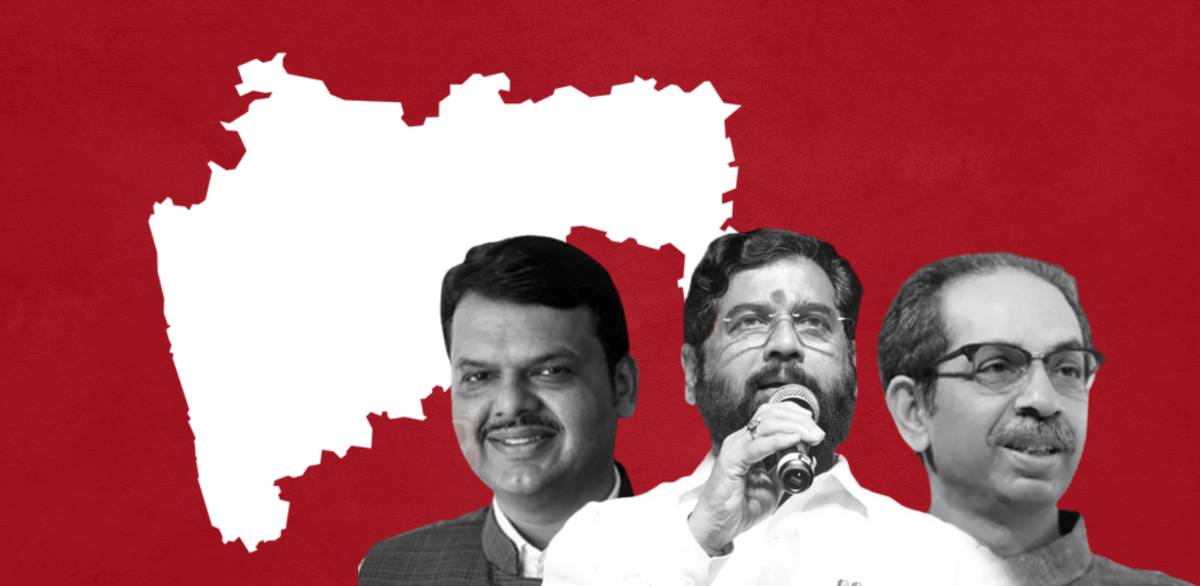
As the Supreme Court once again refused on Monday to intervene, following Maharashtra assembly Speaker, Rahul Narwekar's move to recognise the Chief Whip, nominated by the rebel Shiv Sena group led by the Chief Minister, Eknath Shinde, its role as an impartial arbiter in disputes under the Anti-Defection Act is under critical scrutiny.
——–
"SOME men change their party for the sake of their principles; others their principles for the sake of their party", said former Prime Minister of the United Kingdom Winston Churchill. But given how frequently politicians in India, across party lines, have changed their allegiance and toppled an elected government, it is worth asking if the current anti-defection law, contained in the Tenth Schedule (inserted in 1985) of the Constitution is indeed effective. Simply put, why are we allowing for such political horse-trading in the first place?
To put things in context, between March 1967 and August 1970, there were 1,240 defections in the states. This is what necessitated the need for an anti-defection law. But even in recent times, especially since 2014, the numbers of defectors are telling. As per a report of the non-governmental organization Association for Democratic Reforms, between 2016 and 2020, 443 Members of Legislative Assemblies ('MLAs') and of Parliament ('MPs') have switched parties, including 12 Lok Sabha MPs, with 45 per cent of them joining the Bharatiya Janta Party ('BJP') and 42 per cent leaving the Indian National Congress.
Be that as it may, the current anti-defection law stands as what it is. The exciting part in the unfolding of the Maharashtra crisis, is the constitutional questions that it gives rise to, some of which are yet to be answered by the Supreme Court for the first time. Let's try and unpack some of them here.
Also read: Legislative Coups And The Tenth Schedule