Surviving courts post-Nirbhaya: The (im)possibility of a Victim’s Manifesto
On the eleventh anniversary of the Nirbhaya gang rape and fatal assault, a timely assessment of whether the criminal justice system has changed for the better.
Published on: 16 December 2023, 05:27 am
On the eleventh anniversary of the Nirbhaya gang rape and fatal assault, a timely assessment of whether the criminal justice system has changed for the better.
—
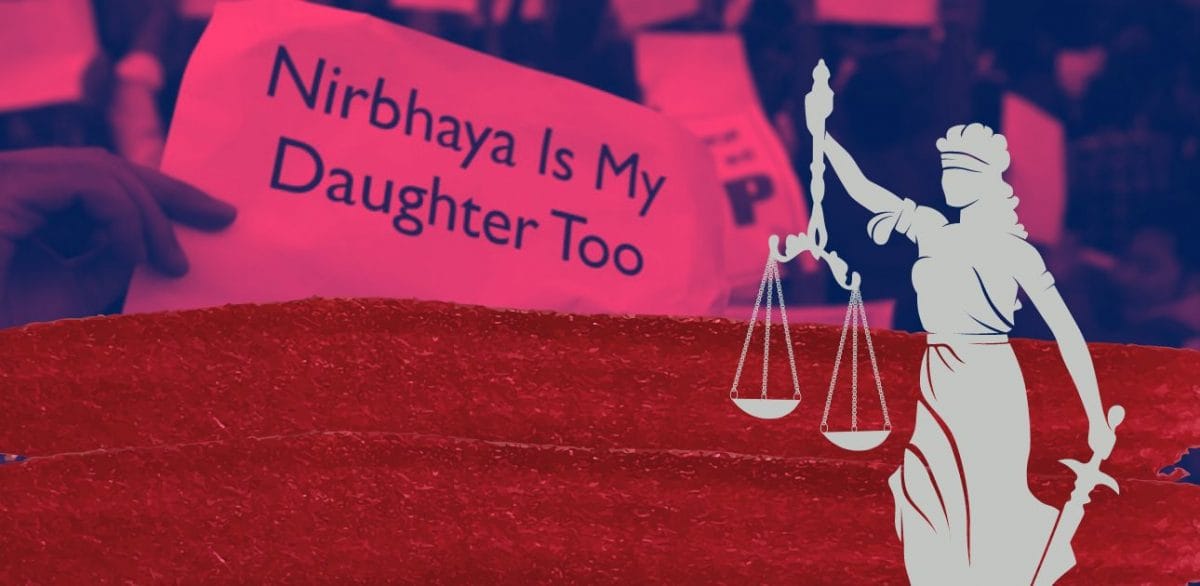
ON this day eleven years ago, 'Nirbhaya' was gang raped and fatally assaulted on a bus in Delhi. The assault shook India and led to widespread protests that resulted in calls for major reforms in the criminal justice system of the country.
The State actively jumped into action by constituting a committee on December 23, 2012, to be led by a retired Supreme Court Chief Justice, J.S. Verma, to recommend amendments to criminal laws.
The committee exercised a democratic process of publicly consulting all major stakeholders and submitted a report on January 23, 2013, which justifiably went far beyond the narrow scope of its initial terms of reference, which was to "provide for quicker trial and enhanced punishment for criminals accused of committing sexual assault against women".
It recognised that rape was an expression of power, expanded the narrow definition of rape, directed discontinuation of two-finger tests, introduced new offences such as stalking, voyeurism, sexual harassment, acid attack, etc., recommended police and educational reforms, and directed the adoption of mechanisms for reforms in the management of cases related to crimes against women.
It also signaled, though not for the first time, a promise of a shift towards a victim-centric approach, even if on paper, in institutional mechanisms for gender-based violence.
A history of eleventh-hour measures
Historically, the Indian State has constantly demonstrated a series of knee-jerk responses in the matter of rape law reform. Instead of reforming the twin core of the criminal justice system, namely, police investigation and prosecution, that has perpetuated the cycle of double victimisation for victims seeking justice, the State has periodically resorted to responding to violent crimes of sexual offence by token gestures of rape law reform like enhancing punishment and making 'strict' laws, even though empirical data has revealed that there is no correlation between stricter punishment and lesser sexual offence, or better chances of conviction.