Pune Porsche case: Amidst public outrage, was the Juvenile Justice Board’s original Order bad in law?
The nation-wide outrage against the Pune Porsche case, specifically, the conditions on which bail was granted to the 17-year-old, may appear warranted. Yet, an examination of the Juvenile Justice Act, 2015 suggests these conditions are in line with safeguarding minors while holding accountable those who influenced their actions.
Published on: 29 June 2024, 01:28 pm
The nationwide outrage against the Pune Porsche case, specifically, the conditions on which bail was granted to the 17-year-old, may appear warranted. Yet, an examination of the Juvenile Justice Act, 2015 suggests these conditions are in line with safeguarding minors while holding accountable those who influenced their actions.
—
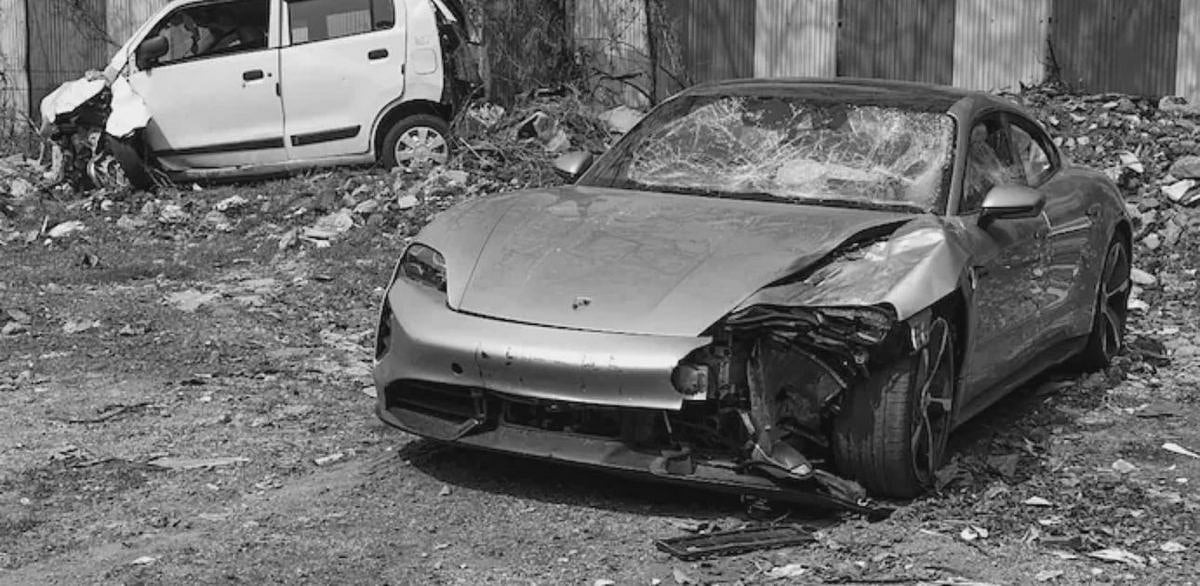
THE Juvenile Justice Board (JJB)'s decision to release a 17-year-old boy in Pune after he fatally crashed his speeding luxury car into two bike-borne persons has been at the centre of a heated debate.
The case, that has come to be known as the Pune Porsche case, triggered public outrage after the teenager was released on bail within 15 hours on the condition of writing an essay on road accidents, working with traffic police for 15 days to study traffic rules and regulations, undergoing de-addiction counselling, and psychology and psychiatrist consultation.
The case even became part of a political slugfest with leaders clashing to leverage the tragedy for political gains. Reacting to public resentment over the JJB's Order, the teenager's bail was cancelled and he was sent to an observation home. His parents, grandfather and the owner of the clubs that served him alcohol now face criminal charges.
Rash driving roughly accounts for 10 percent (357,900) of the total crimes registered under the Indian Penal Code (IPC), according to a 2022 National Crime Records Bureau (NCRB) report. In 2022, road accidents claimed 168,491 lives, and 4,43,366 people suffered injuries due to such accidents.
“The new Act provides for a 'preliminary assessment' under which the children between the age of 16 and 18 years accused of heinous crimes would be evaluated for their mental and physical capacity, understanding of the consequences of their actions, and the circumstances under which the offence was committed, to be tried and sentenced as adults.