Why is it Important to Preserve and Protect our Freedom of Speech, Expression and Right to Protest
Published on: 15 October 2020, 07:57 am
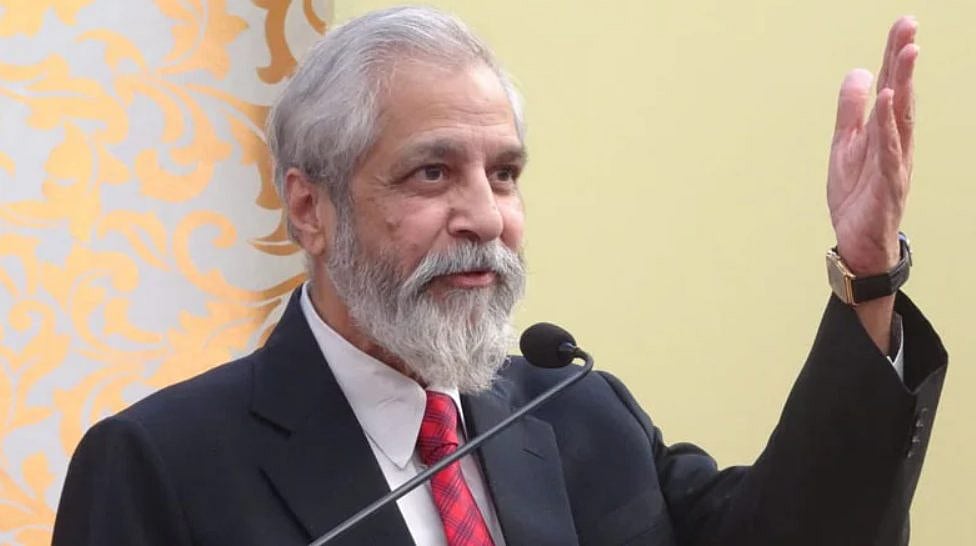
The attack on journalists and charges of sedition have seen a drastic rise in recent times. Delivering the B.G. Verghese Memorial Lecture 2020 organised by The Media Foundation, JUSTICE MADAN LOKUR calls for the state's higher duty to protect the Rule of Law. The following are excerpts from the same lecture.
————
I would like to address a gradual erosion of one of our most precious fundamental rights – the inalienable right to freedom of speech and expression, an erosion that is leading to the gradual destruction of our human right to dissent and protest.
This lethal cocktail is adversely impacting the liberty of all those who dare to speak up. Article 21 of our Constitution, the right to life and personal liberty is under a silent threat and we all know the consequence of losing our liberty – simply put, we will cease to be a democratic republic.
“Our freedom of speech is being eroded and mauled through twisting and turning the law if not abusing it altogether.
Of course, our fundamental rights cannot be absolute and so our Constitution has placed a few reasonable restrictions on the exercise of the right to free speech and these include restrictions placed in the interests of the sovereignty and integrity of India, the security of the state, friendly relations with foreign states, public order, decency or morality, contempt of court, defamation and incitement to an offence. Yet, it is important to note that these restrictions can be imposed only by the law enacted by Parliament and the restrictions have to be reasonable.
Our freedom of speech is being eroded and mauled through twisting and turning the law if not abusing it altogether.
The law needs to be objectively interpreted but subjective satisfaction has taken over and the consequences are unpalatable: dissent or expression of a different point of view has become an issue to the extent that bona fide speech sometimes becomes a security threat.
Some cynics glibly suggest that if the speaker is not guilty, he or she will be acquitted of the charges framed, but the fact of the matter is that detention as an under-trial is a gut-wrenching experience for anyone and particularly for a person whose cries of innocence fall on deaf ears. Such a person looks to the judiciary for protecting his or her freedom of speech and liberty but gets overwhelmed by the painfully slow justice delivery system.