What the Triple Talaq law means to the lives of Muslim Women
Published on: 24 January 2021, 09:30 am
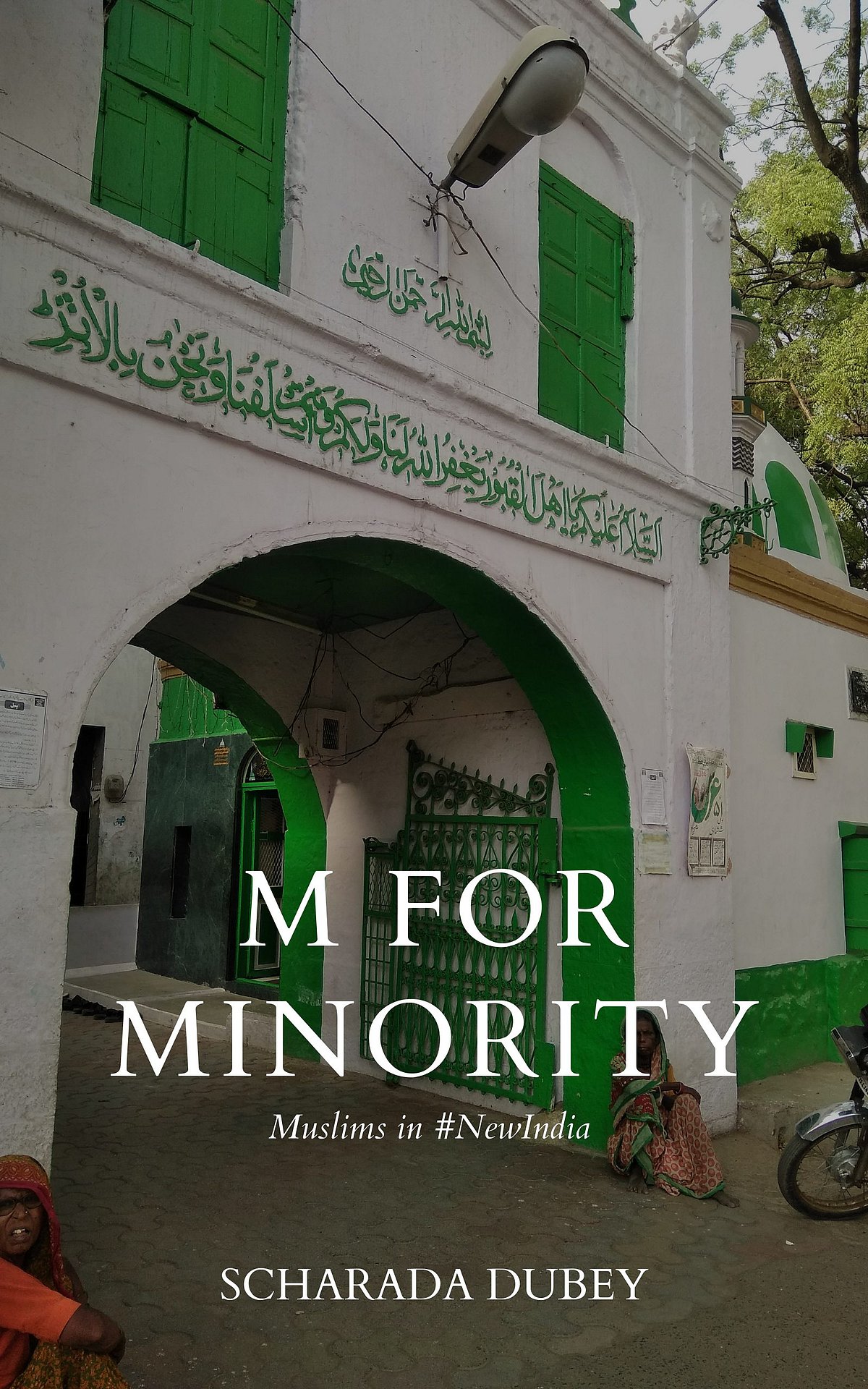
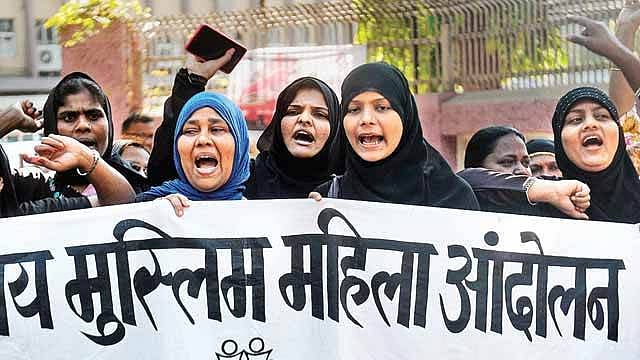
The Bhartiya Muslim Mahila Andolan fought a strenuous battle against Triple Talaq in face of opposition from not only Muslim orthodoxy but also a certain section of feminists. Author SCHARADA DUBEY narrates her interactions with Noorjehan Safia Niaz, who she calls a 'Conscious Campaigner', in her book 'M for Minority'. Excerpts:
———-
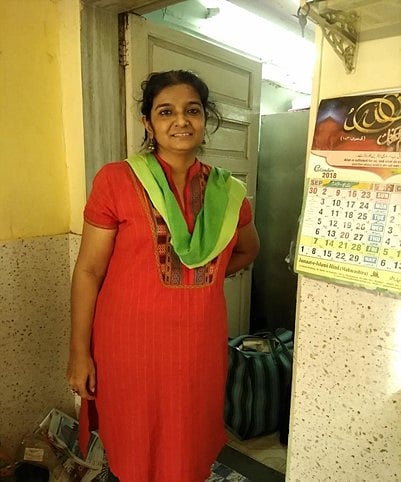
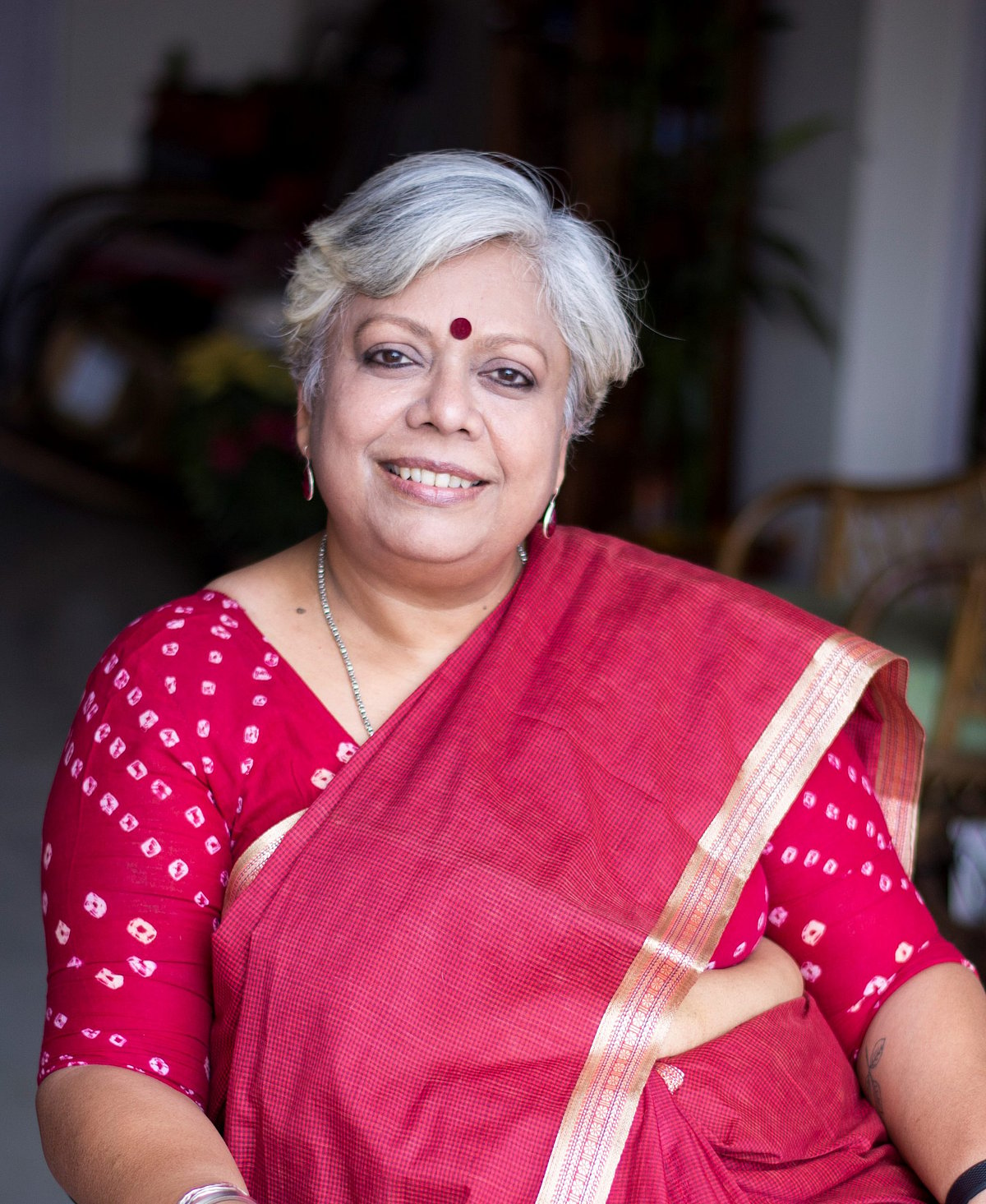
"FEMINISTS tell us – you must choose the Constitution, not the Quran. The Mulla gang tells us – it is the Quran and only the Quran. We say, 'No, we want both.' Don't create these artificial binaries and hierarchies. We are Muslim women Indian citizens, and we will have, rather we are, all of it – the Quran, the Constitution, even the UN Charter. Once we had seen for ourselves that there were no contradictions, it brought a lot of clarity, it gave us a lot of strength," said Noorjehan.
An important initiative was going to emerge from this clarity. As they studied and discussed these points further, the Bhartiya Muslim Mahila Andolan (BMMM) team asked aloud – Why should women not be Qazis? Why should we not have our own auraton ki sharia adalat (women's sharia court) where both women and men could get justice? Under all these questions, however, was the most important one: Who will codify the law?
"No one else was going to do it for us. We would have to do it ourselves," said Noorjehan.
“As if echoing my thoughts, Noorjehan said, "We are citizens. We had raised the demand in 2007, in 2014, will raise it in 2019 and Inshallah whenever necessary in the future. Our slogan is 'Jiski ladaai, uski agvaai' (Whoever struggles, leads). We have the right to speak because we are victims."
"So, from 2008 to 2014 we had multiple consultations for drafting our laws. We talked to ordinary women, lawyers, activists. Then we did a survey of 5000 women asking them – what is it that you want? 92% said they did not want unilateral divorce. 91% said they did not want polygamy. We collected thousands of signatures. In the process of consultation where we met thousands of women in many cities, I remember a poor, marginalized woman telling us in Bhopal – men should get married at 25, and for women the age should be at least 21 or 22, giving them time to graduate. This is what the bearded elders of our community who are stuck in a time warp fail to see – these aspirational women. But the women and what they expressed to us is what drove us forward. The Maulanas could not challenge us on the Quran. Even if 4 of them come together, they will not be able to defend triple talaq," she said.