Terrorism and Religious Profiling: Begunaah Qaidi Abdul Wahid Shaikh Unravels it all
Published on: 31 January 2021, 11:30 am
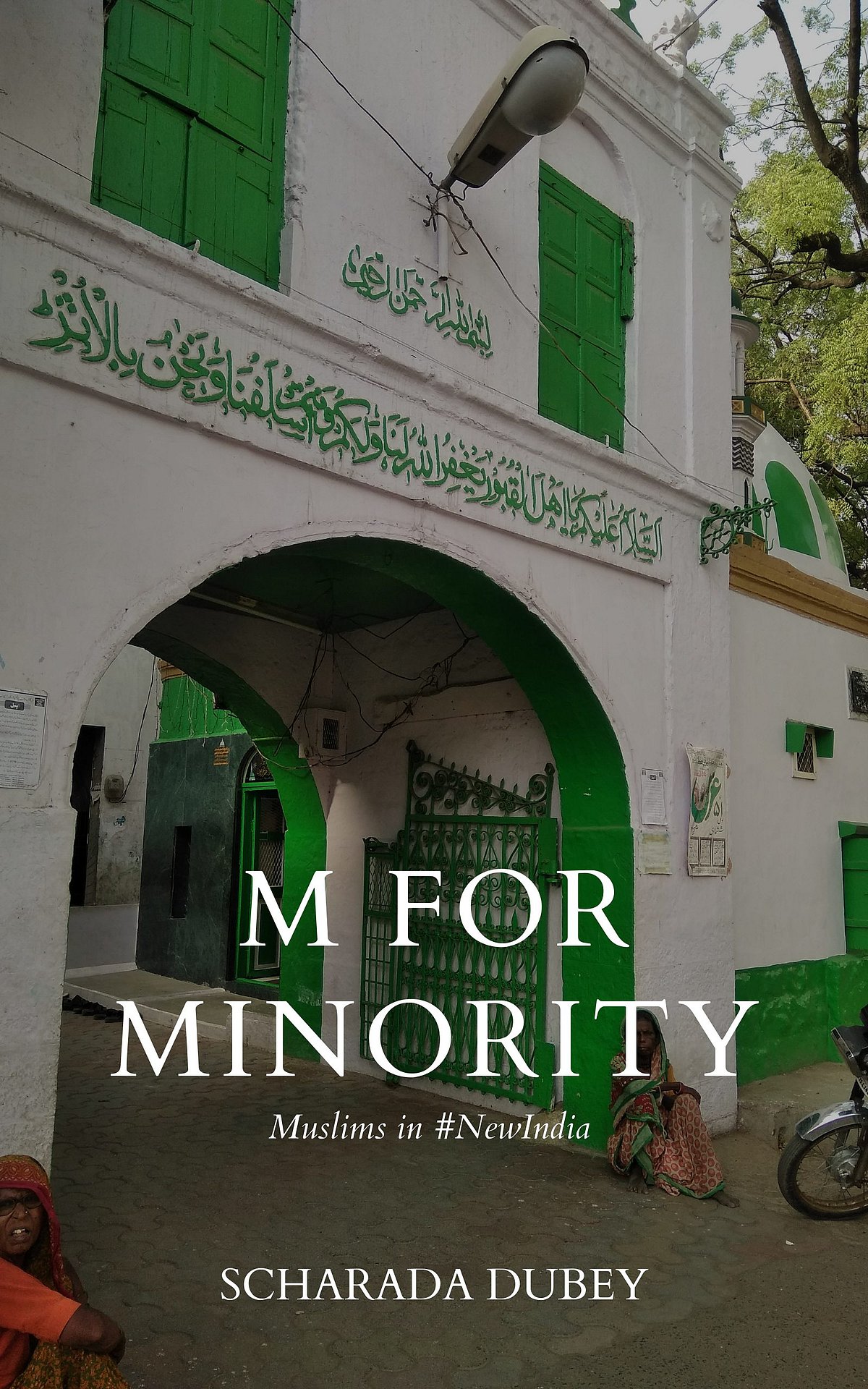
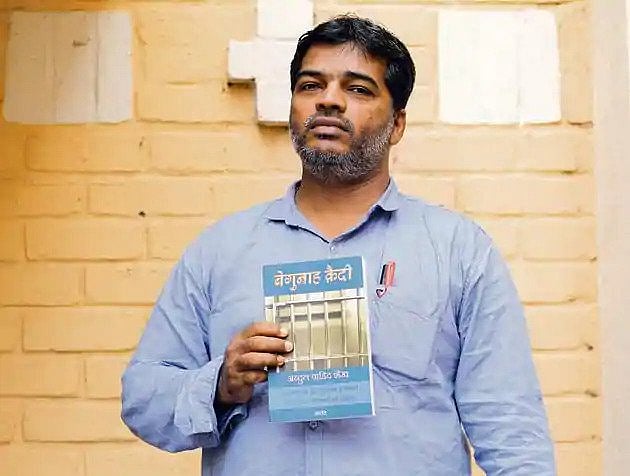
Abdul Wahid Shaikh is the only accused to have been acquitted in the Mumbai 2006 train blasts case. His book Begunaah Qaidi talks about his experience of torture while in police custody. He is now a lawyer. Author SCHARADA DUBEY narrates her interactions with him, whom she calls the 'Freed Fighter', in her book 'M for Minority'. Excerpts:
——–
WHEN a series of bomb blasts in local trains occurred during the evening rush hour on the Western Railway line on July 11, 2006, Abdul Wahid Shaikh was at home in Mumbra in Thane district, a suburb of Mumbai. The blasts were being reported on TV and he watched and discussed them along with a neighbour, both shocked and alarmed at this fresh assault on their city.
The blasts would go on to have a death toll of over 200 people, and they were serious enough to strike terror in the heart of anyone who was a regular user of Mumbai's public transport, as both Wahid and his neighbour were.
Little did he know how his life was to become painfully linked to these blasts, even though he was nowhere near a local train that evening.
"I came on the police radar about five years before the bomb blasts happened. The whole thing actually started in 2001, when SIMI (Students Islamic Movement of India) was banned by the Government of India. At that time, many Muslim youths were picked up all over the country and questioned as supposed SIMI activists. A majority of them in fact didn't have much to do with SIMI, but they were picked up all the same. In my area, the local police picked me up because there had been a dispute in the mosque in which I had been involved, and one man who had a problem with me then was a police informer. He told the police that I could be picked up during the SIMI raids and there would be no problem. I was picked up and regularly questioned by the police, beaten up, sent home, a case was filed against me and then closed, but I had come on the police radar because of it. After that they picked me up whenever there were any bomb blasts, like in Ghatkopar in 2003, in Mulund, at Gateway of India, or whenever there were any communal riot-like situations, they would pick me up, beat me up, have me sitting and waiting for hours, then let me off after some days. I used to think this was all part of regular 'police enquiries'," recalled Wahid to me.
“"Somehow, as a young man of 20-21, I had the impression that the police may frame us in SIMI cases or small matters, but they would never do this in serious matters like the bomb blast cases. This is because I had been conditioned to 'cooperate' with the police, and because I also believed that for the bigger terrorism cases, the police would never frame anybody because they ran the risk of leaving the real perpetrators to do further damage…."