Extension of policing powers to BSF: comparable international experiences
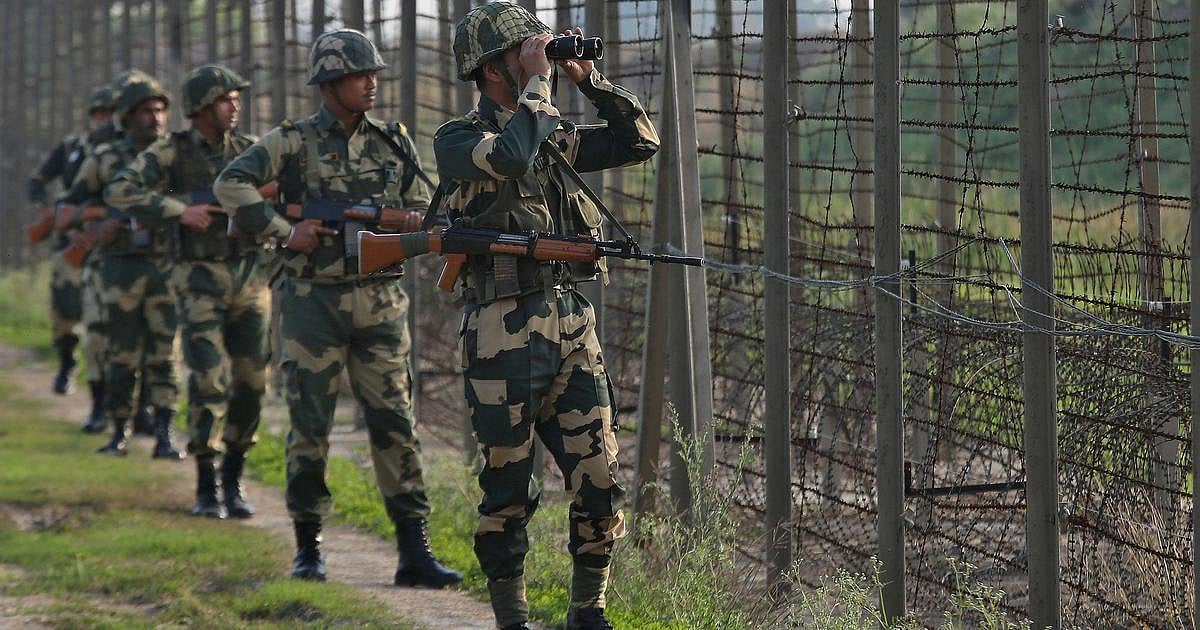
Published on: 25 October 2021, 02:06 pm
Northern Ireland's Royal Ulster Constabulary experience offers a lesson to Indian lawmakers: the militarised policing of a local population by a centrally-controlled force that has been awarded extraordinary powers without accountability measures will likely result in human rights violation, explains RAVI NAIR.
————
MOST modern democracies adhere to the policy of separation between the military and the police. Many nations have made limited exceptions for certain paramilitary forces.
Nevertheless, as Northern Ireland's experience illustrates, the mixing of forces with inherently different mandates (armed combat versus law enforcement) and targets (enemy versus local citizen) is likely to do more harm than good.
Paramilitary forces in United States of America
The traditional separation of military and police forces in the United States dates back to the Posse Comitatus Act of 1878. Section 15 of the Act states: "[I]t shall not be lawful to employ any part of the Army of the United States as a posse comitatus, or otherwise, for the purpose of executing the laws except in such cases and under such circumstances as such employment of said force may be expressly authorised by the Constitution or by Act of Congress."
The fear of civil war contributed to America's early desire to implement this separation of powers. Even "the U.S. Constitution and Bill of Rights," American professor Peter B. Kraska notes in the book Militarizing the American Criminal Justice System: The Changing Roles of the Armed Forces and the Police, "were formed in large part out of a fear of military power and rule."